
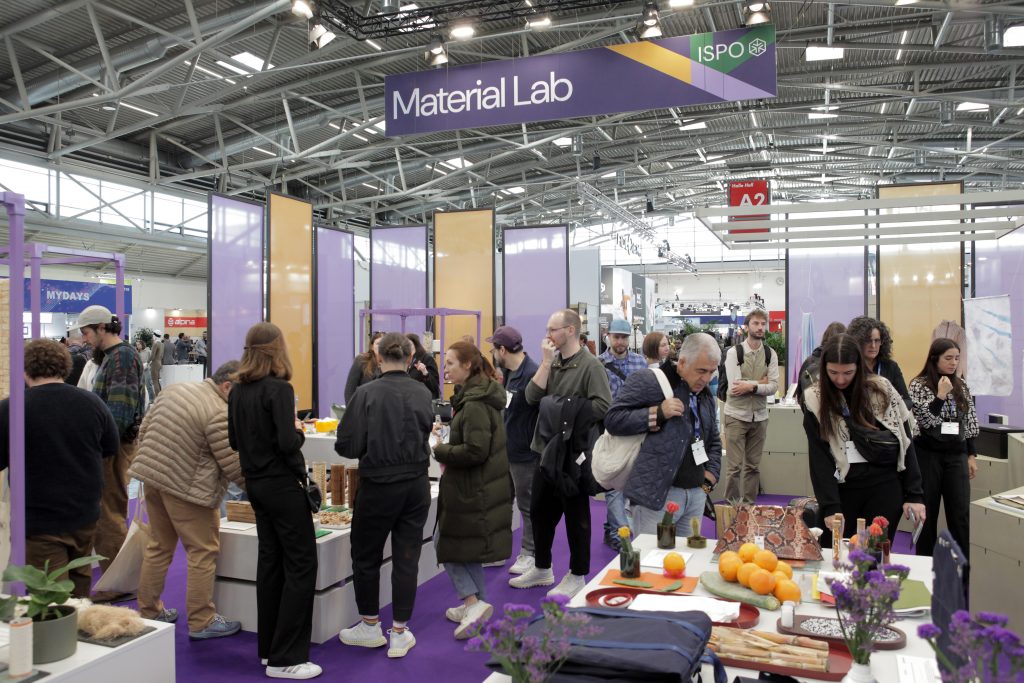
Material Lab at ISPO Munich 2025
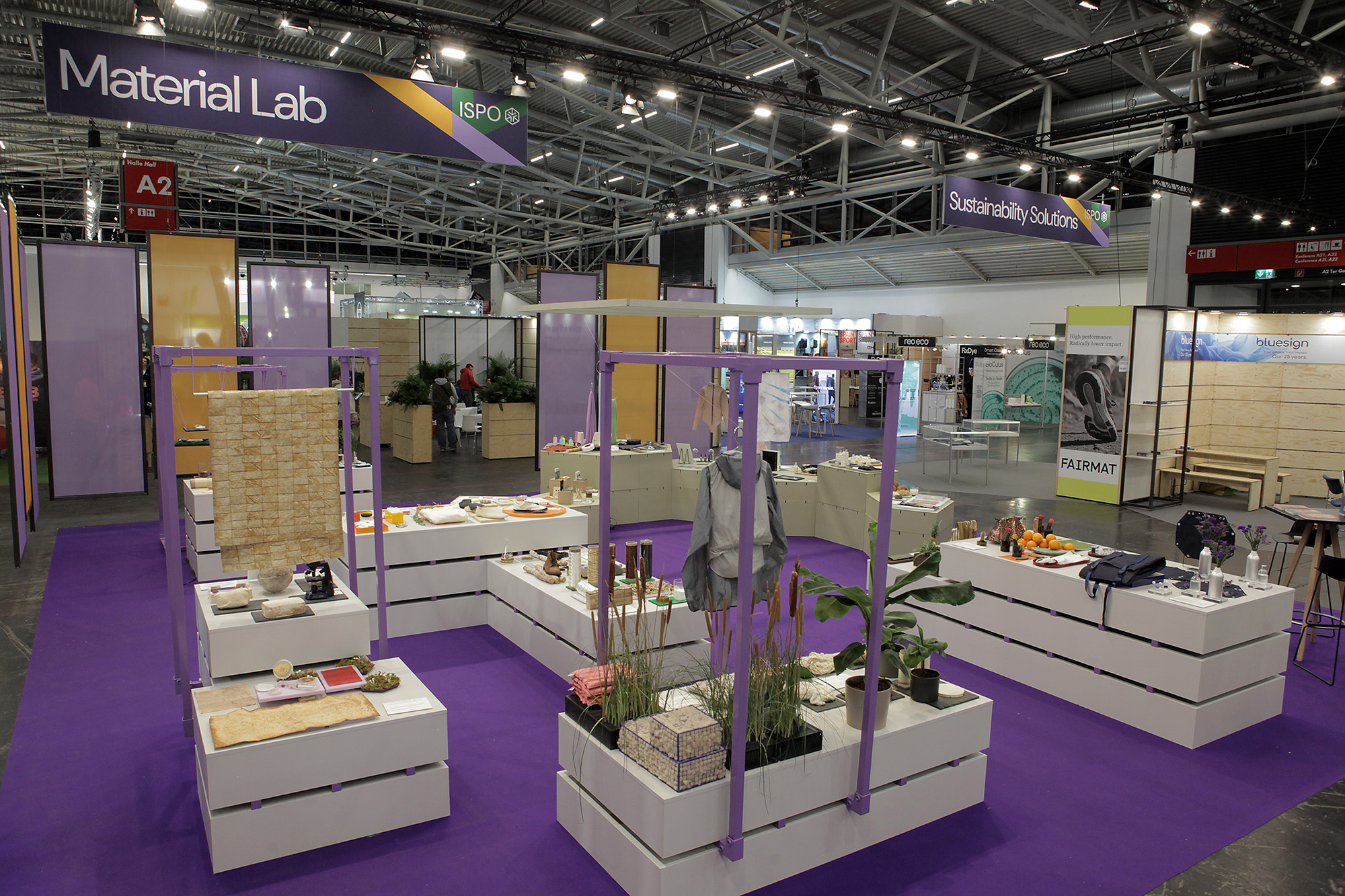
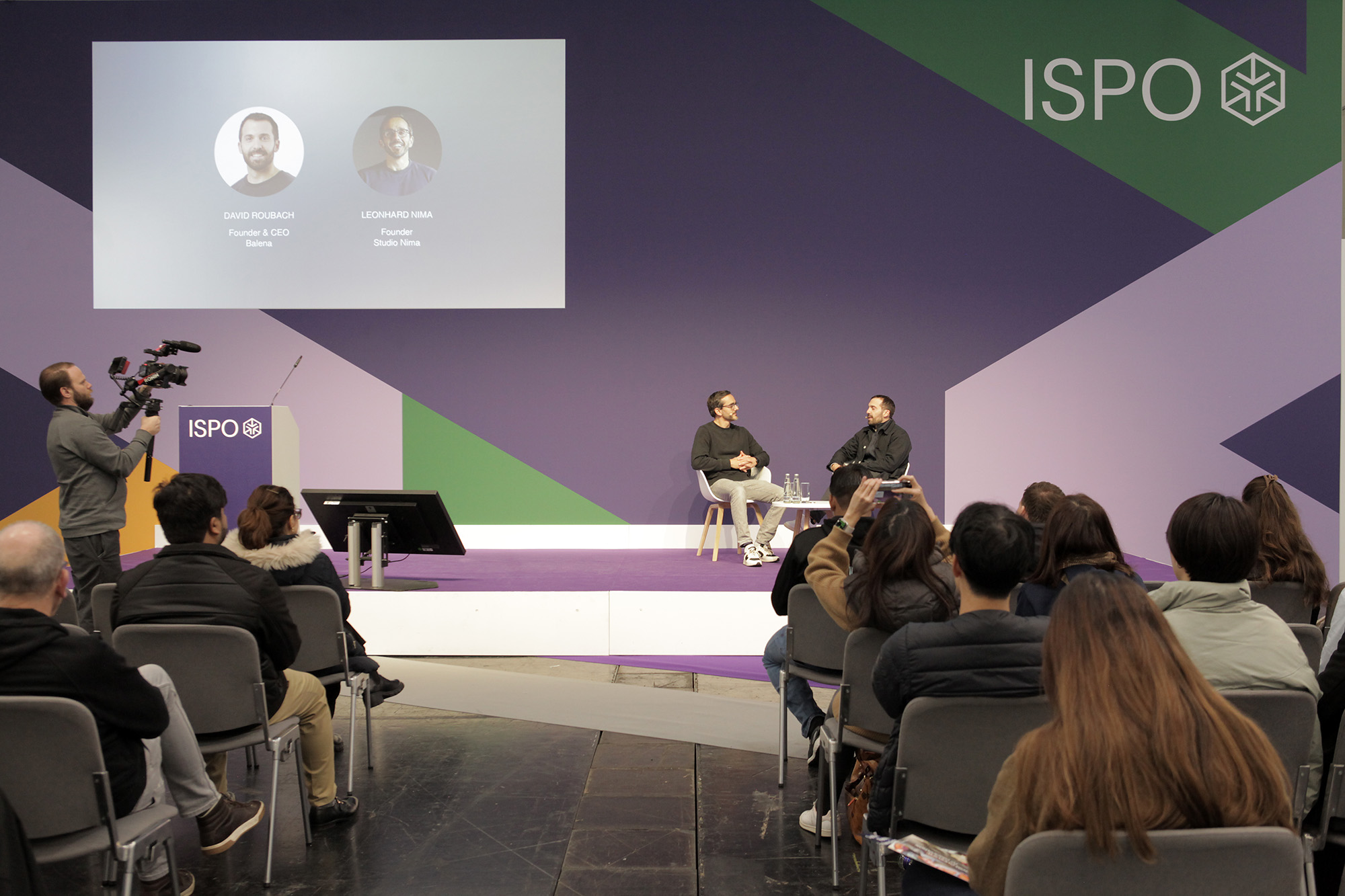
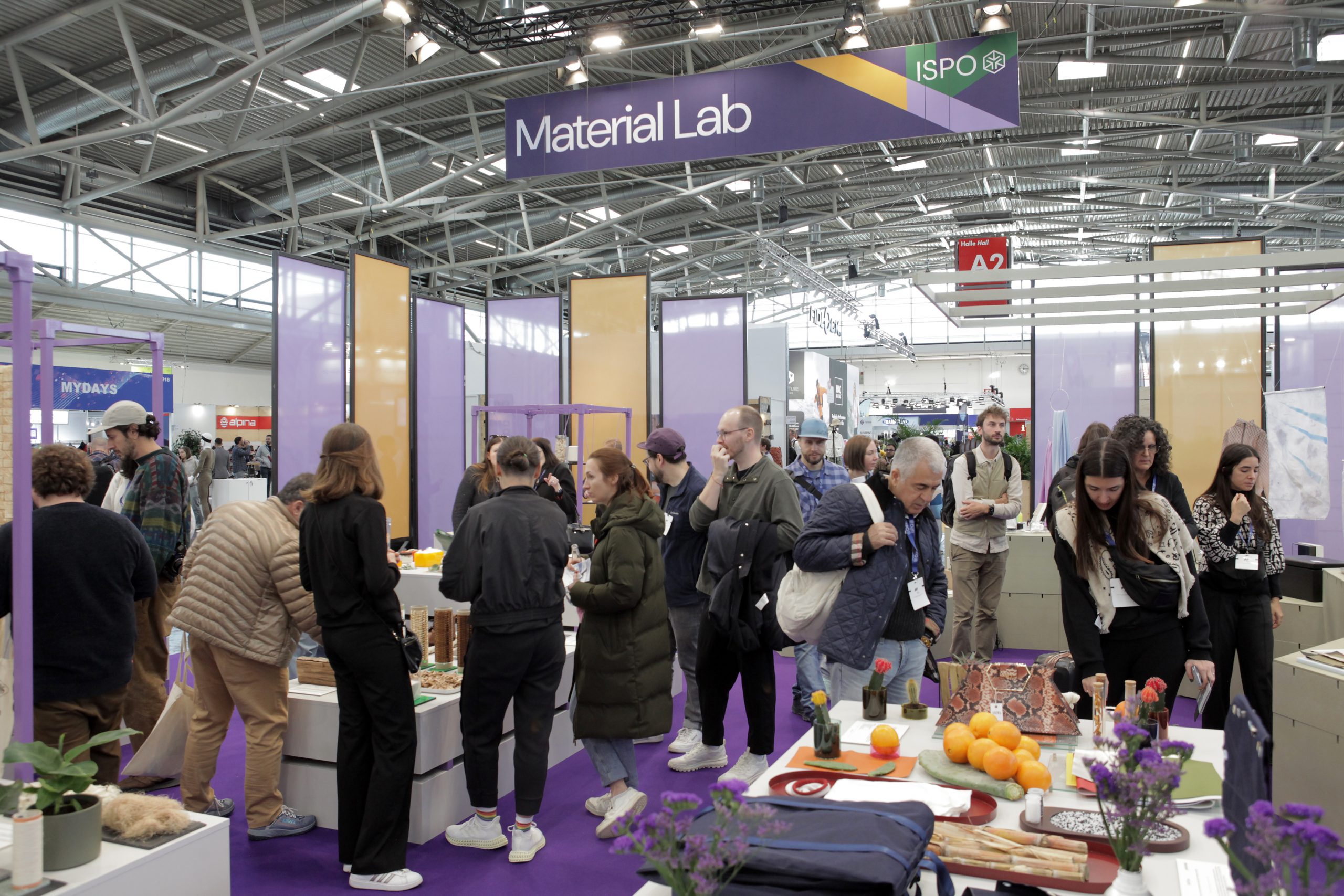
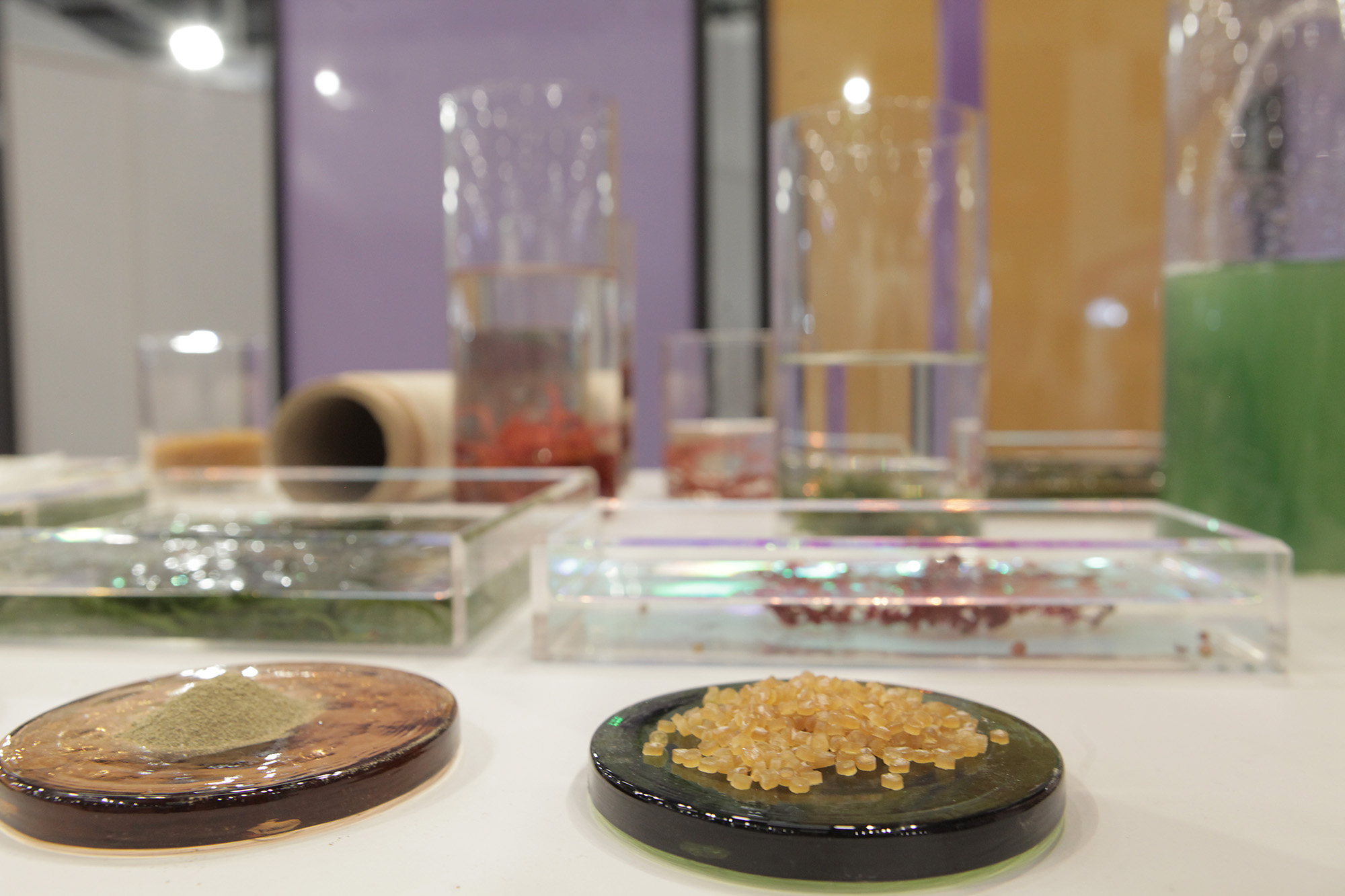
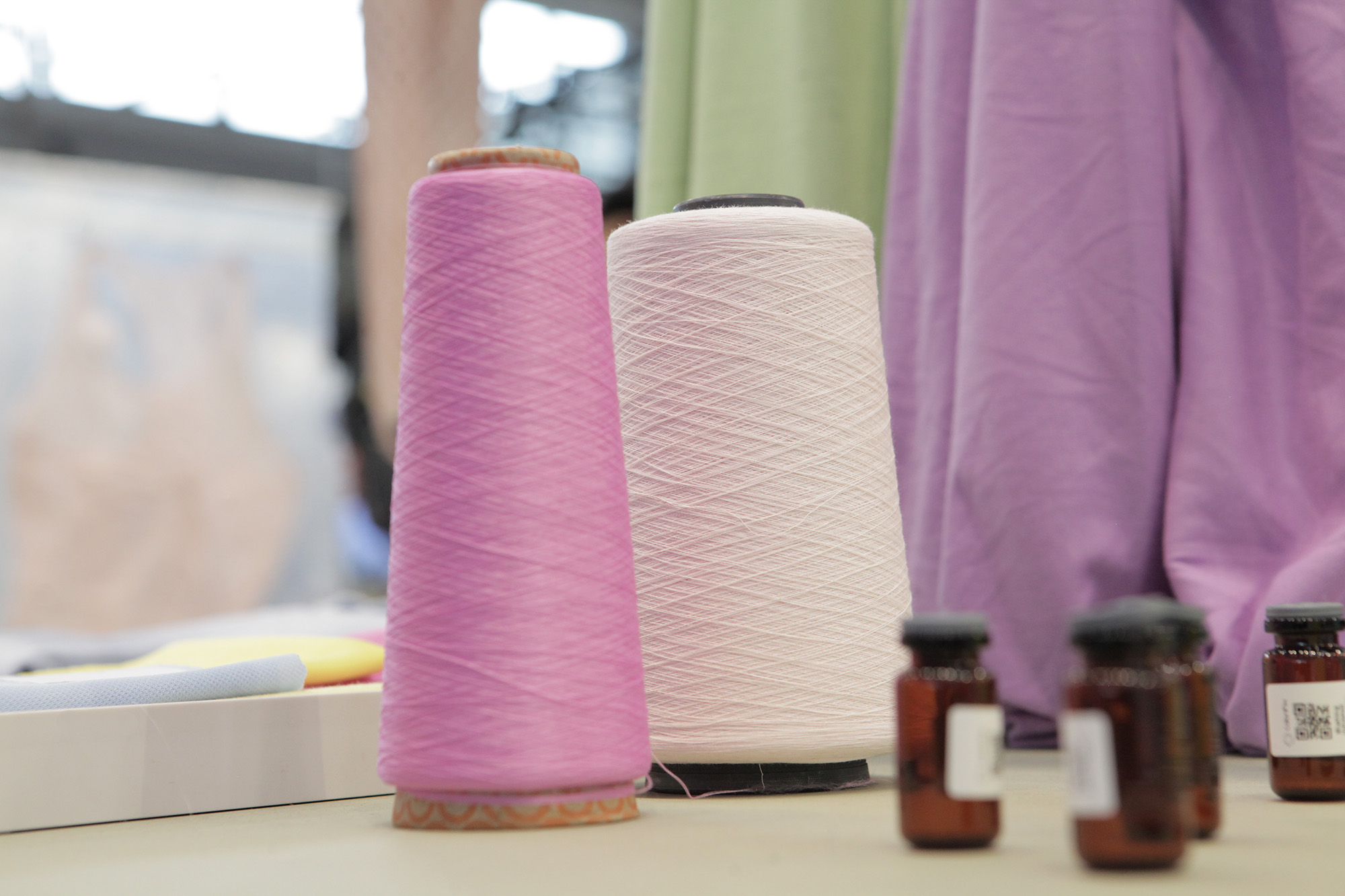
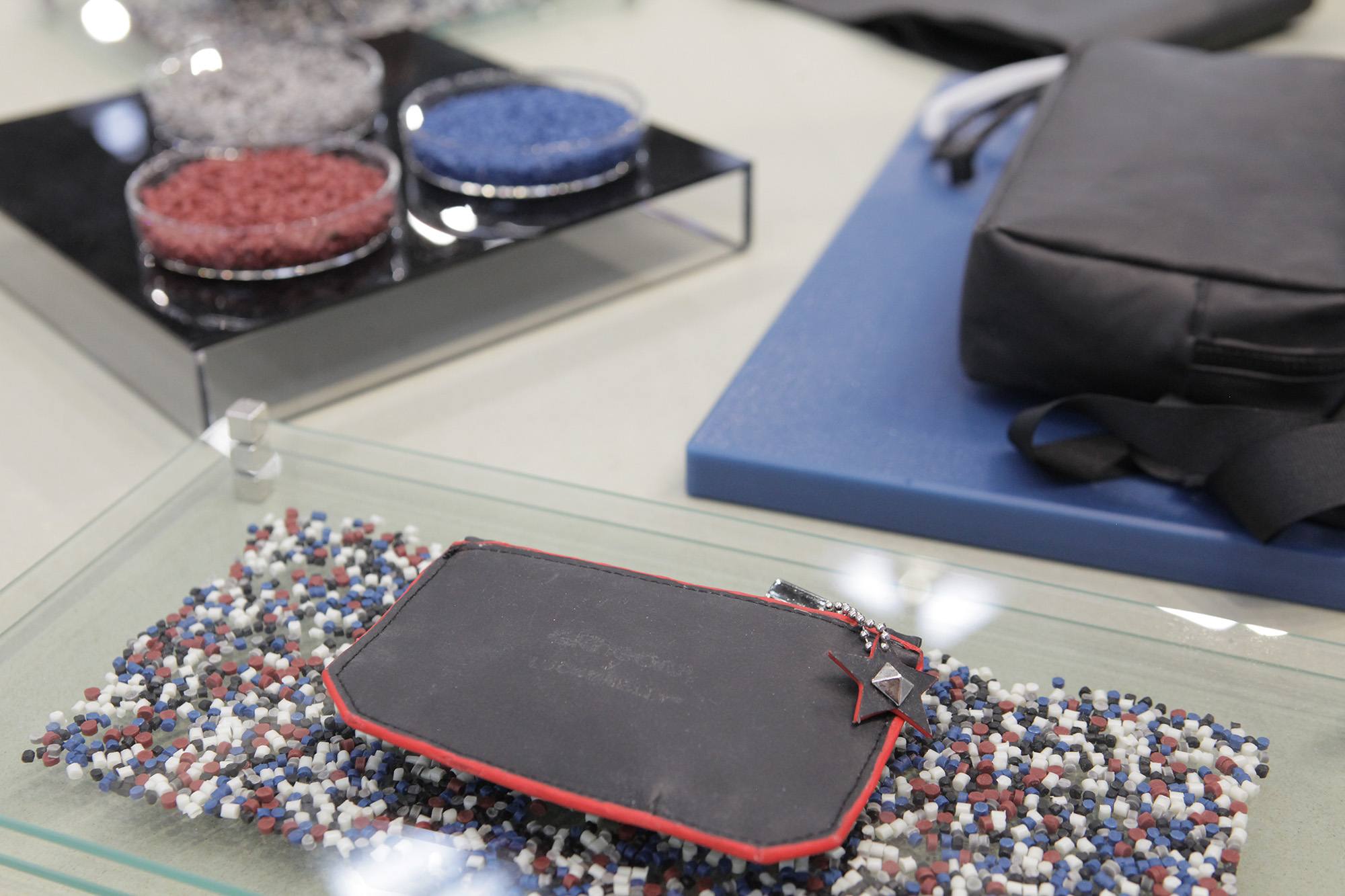
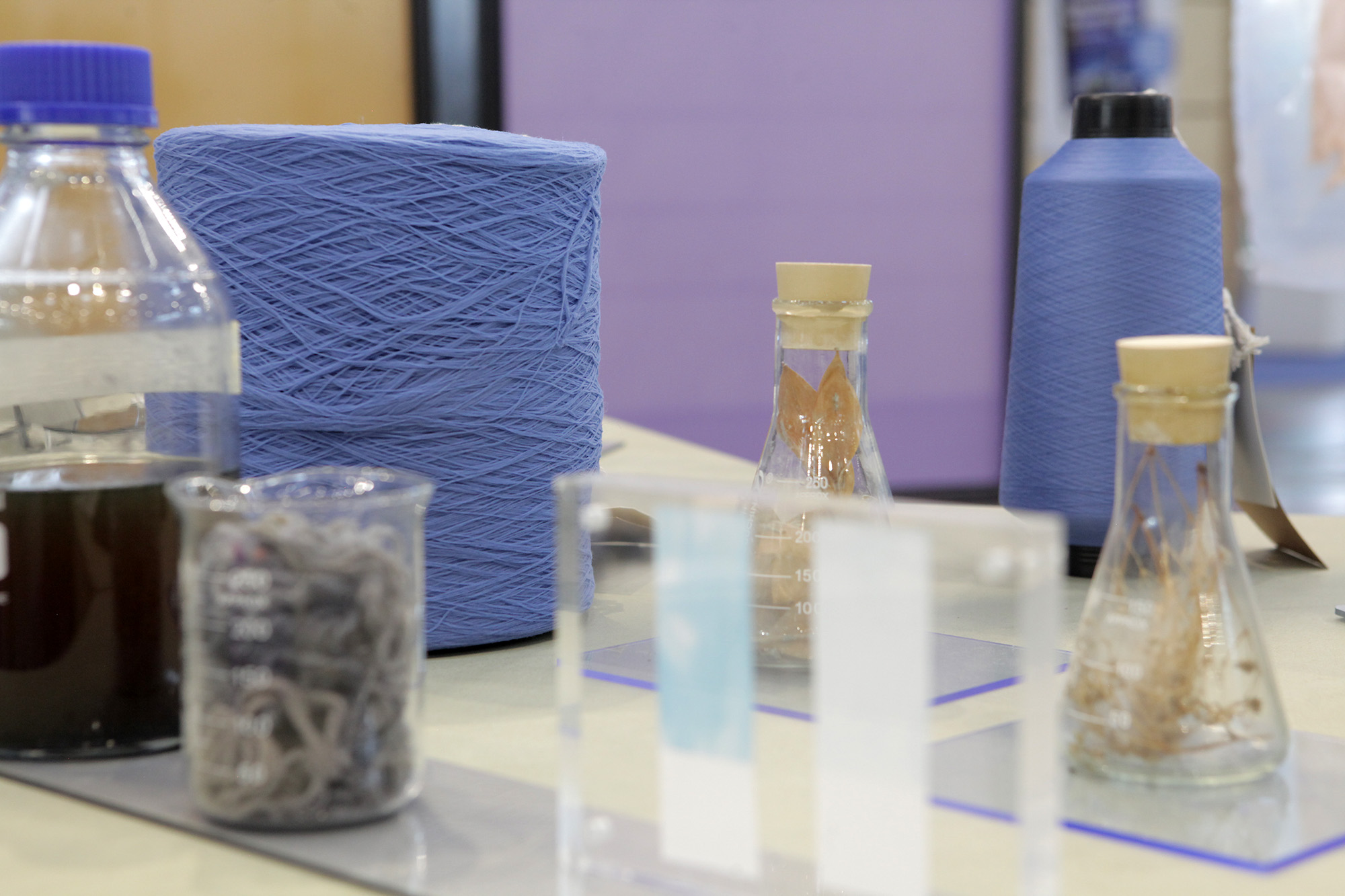
Studio Nima once again curated the Material Lab, presenting a diverse range of innovative circular and bio-based materials.
For the fourth time, we brought the Material Lab to ISPO, the world’s largest multi-segment trade fair in the sports industry, bringing together leading brands, suppliers, retailers and more.
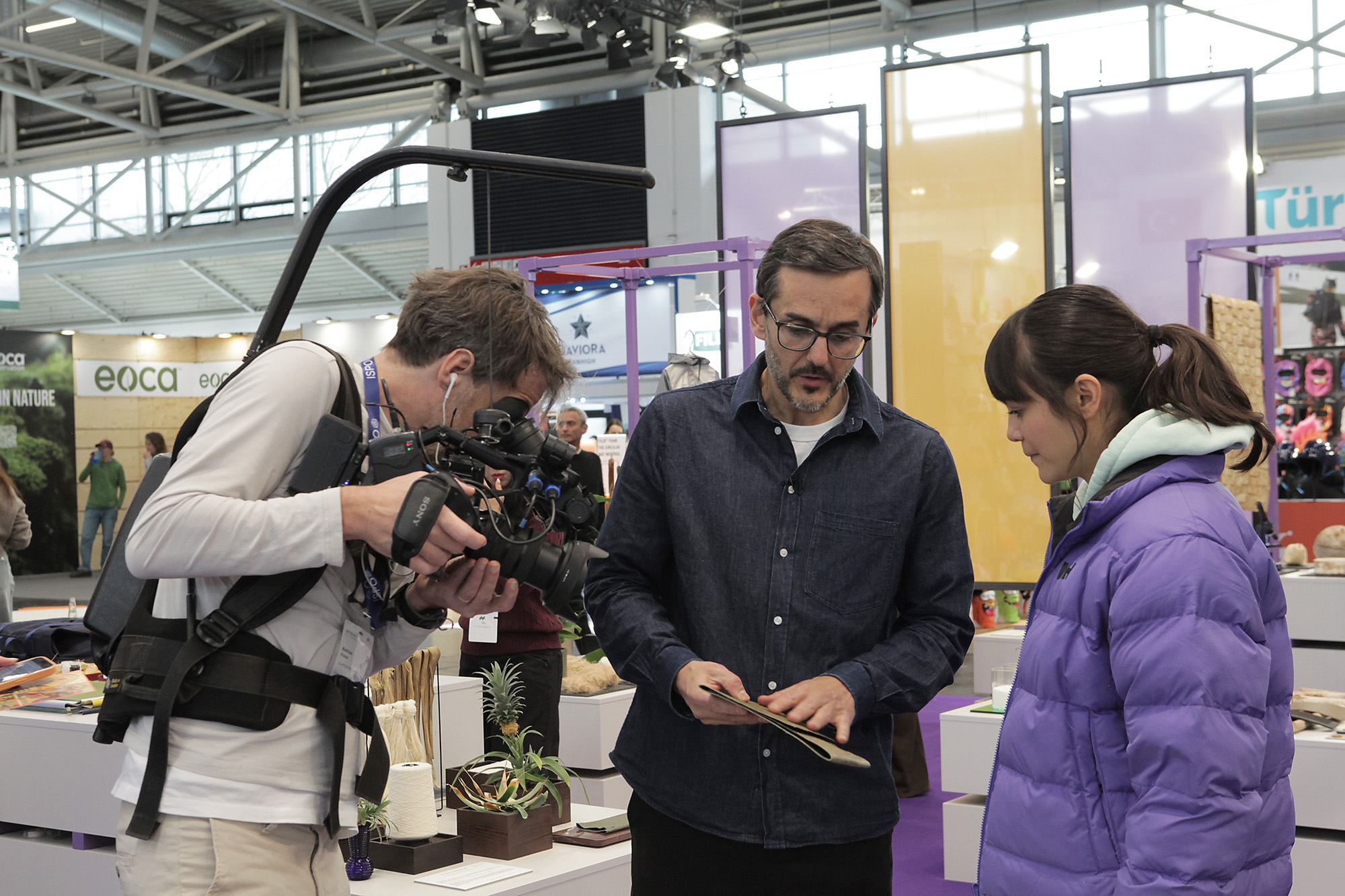
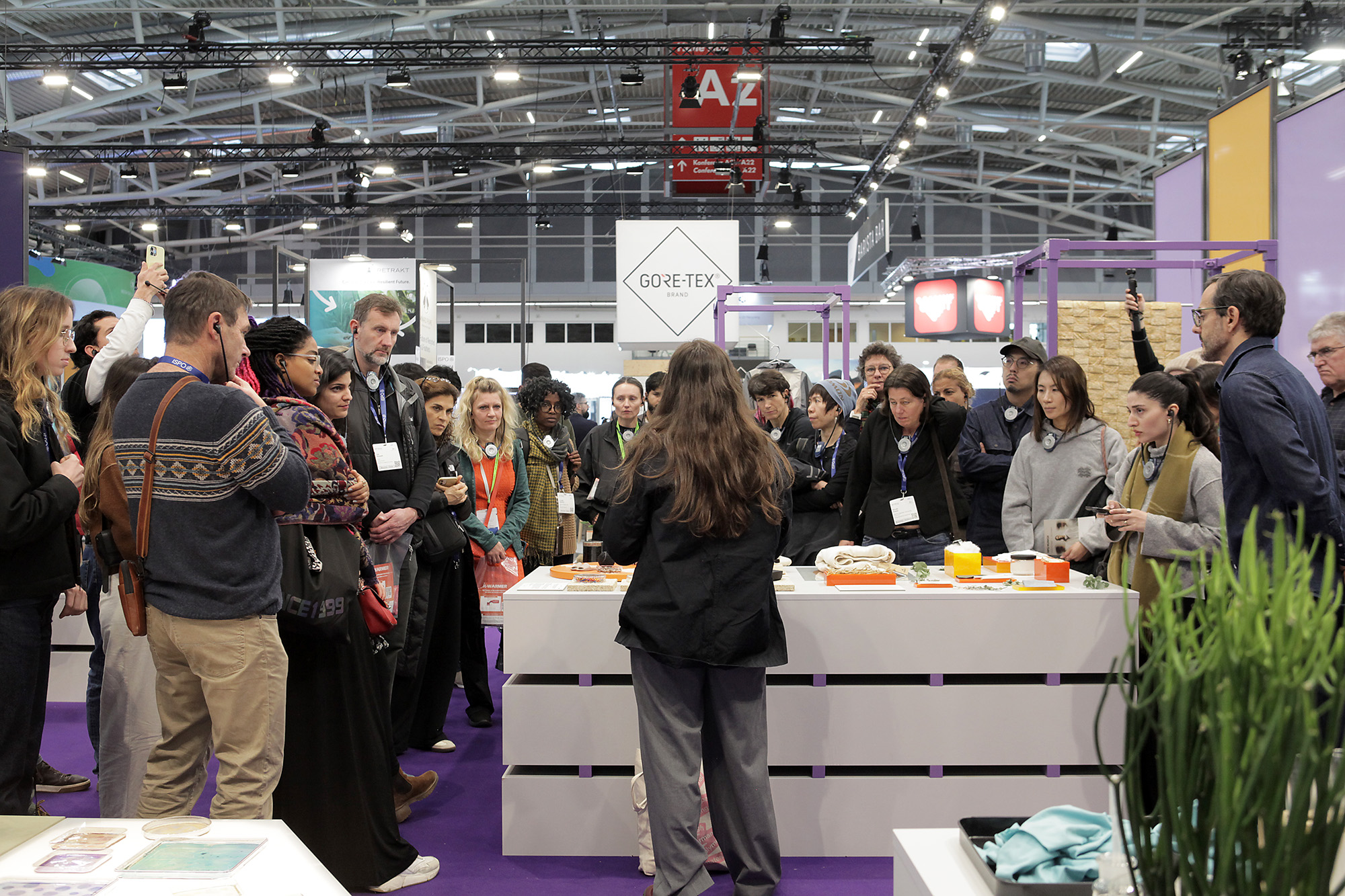
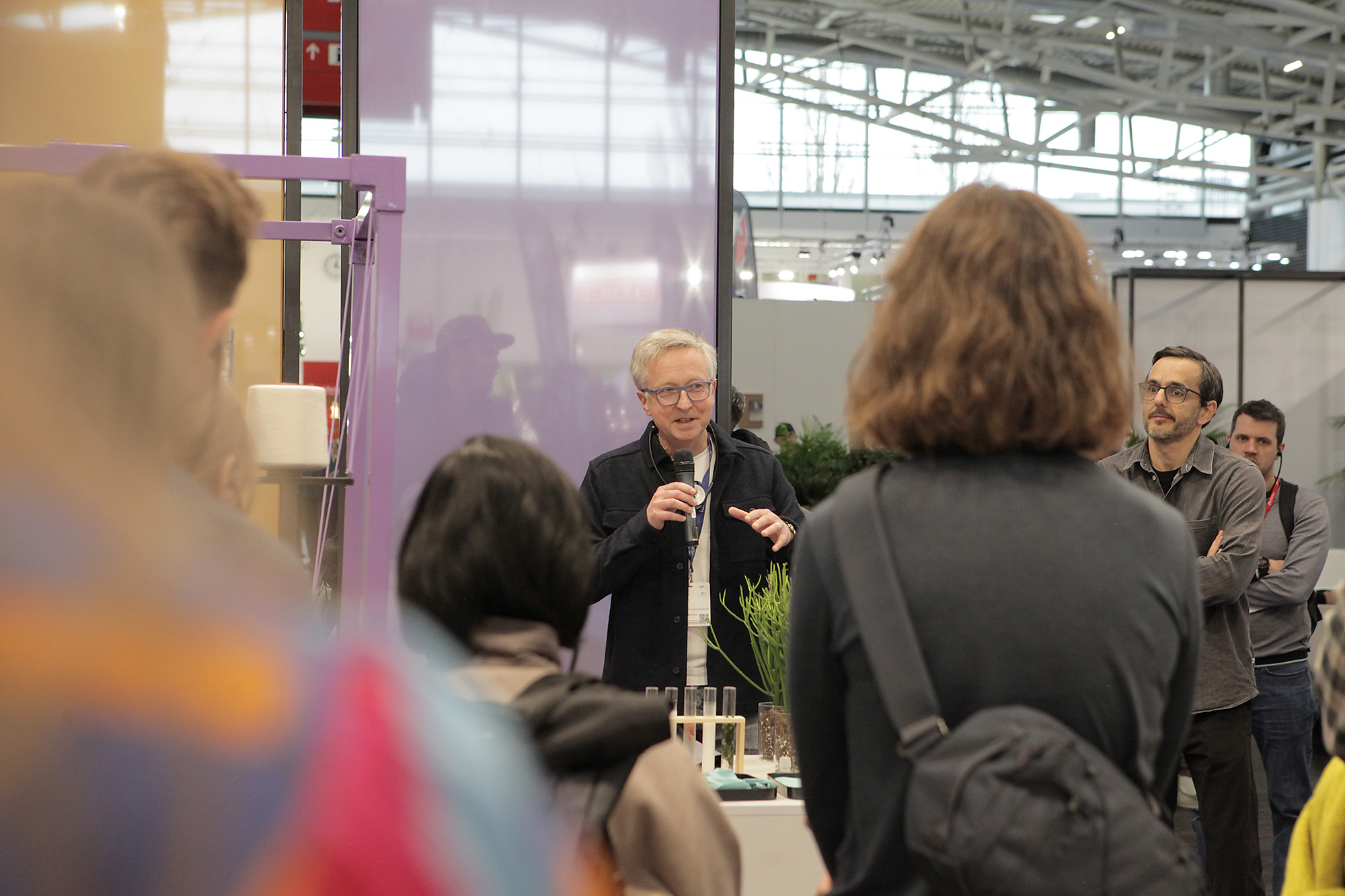
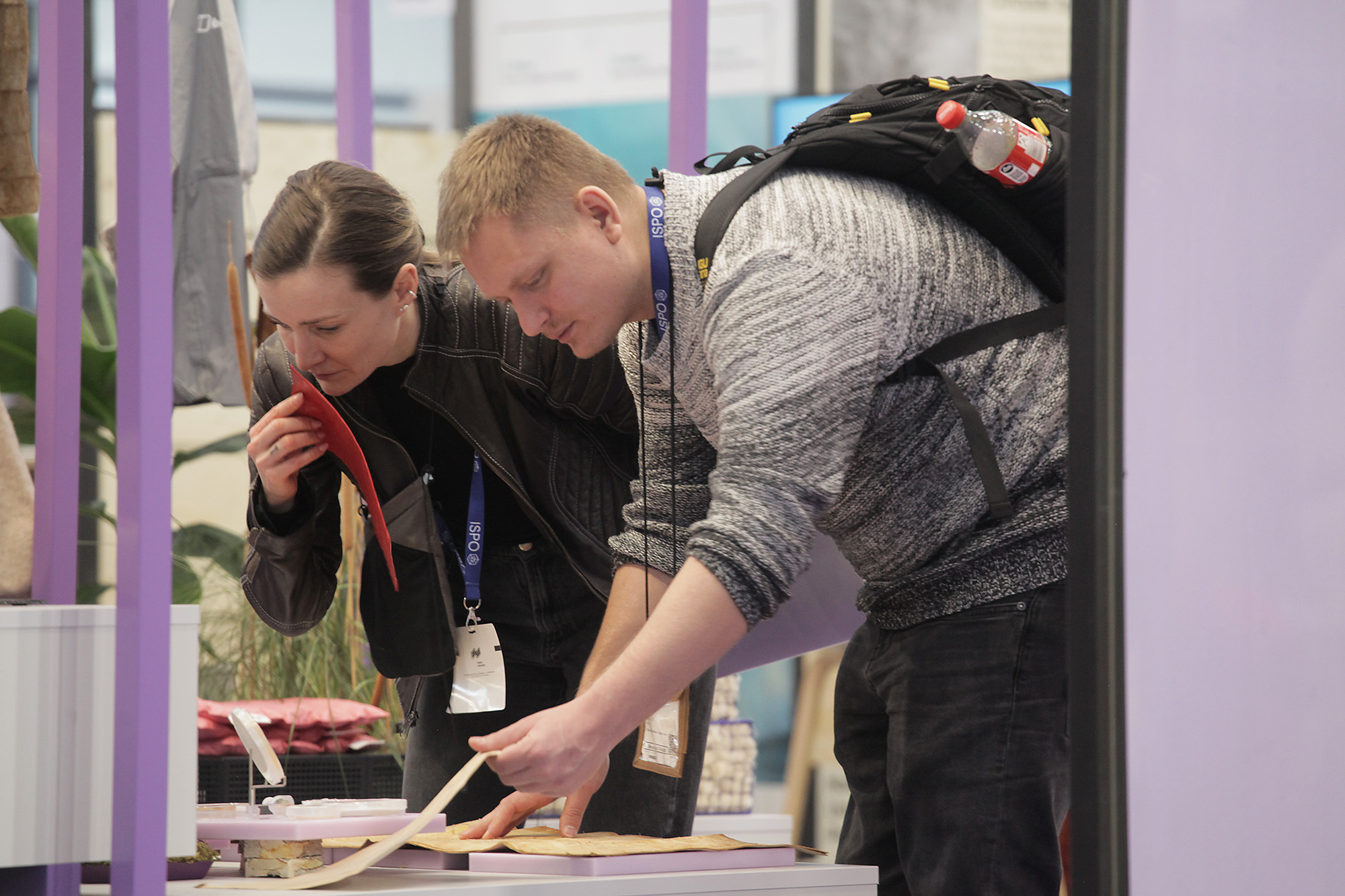
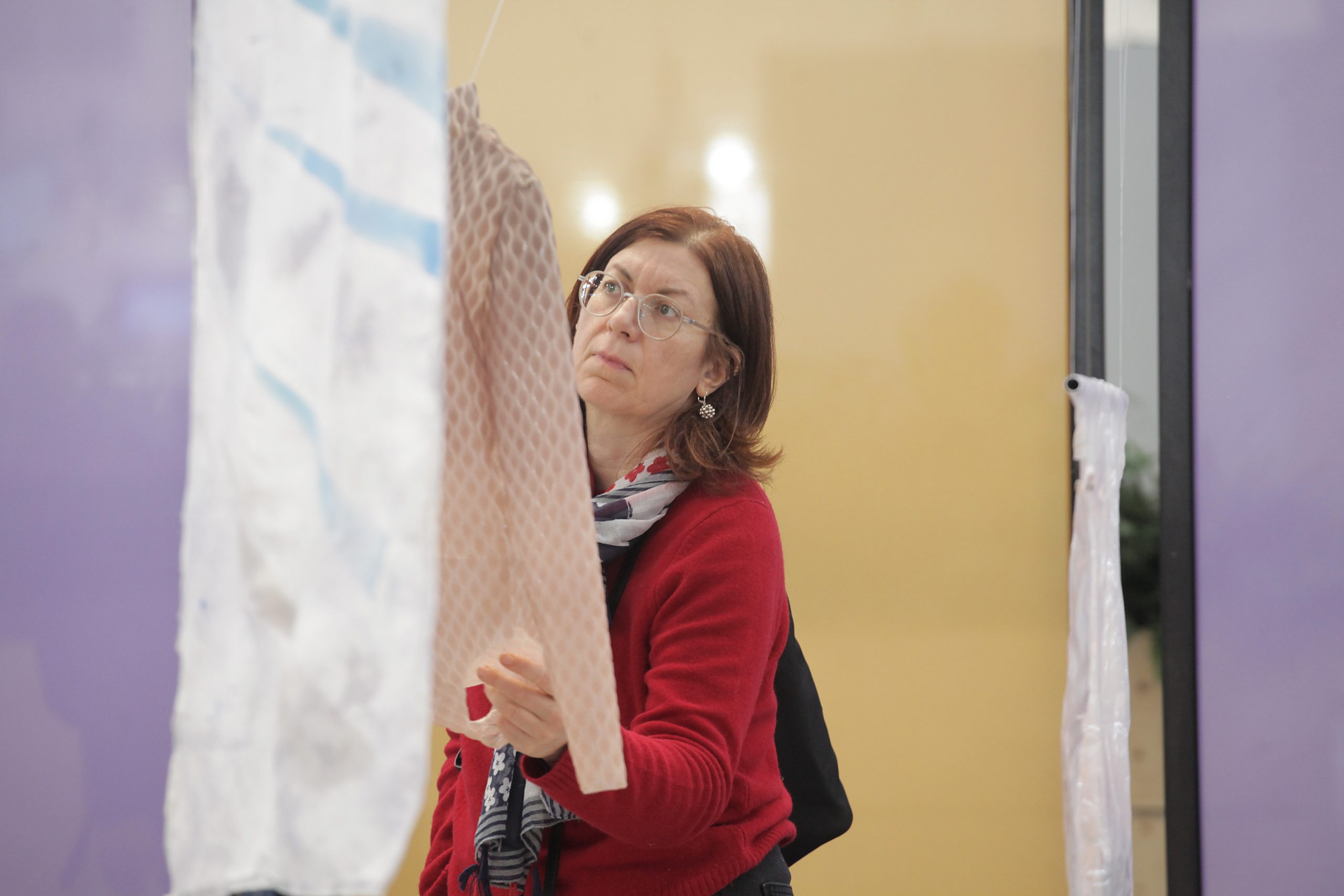
It was exciting to experience such strong engagement throughout the event; our space remained consistently full and dynamic, supported by four guided tours, a stage appearance, and broad media coverage.
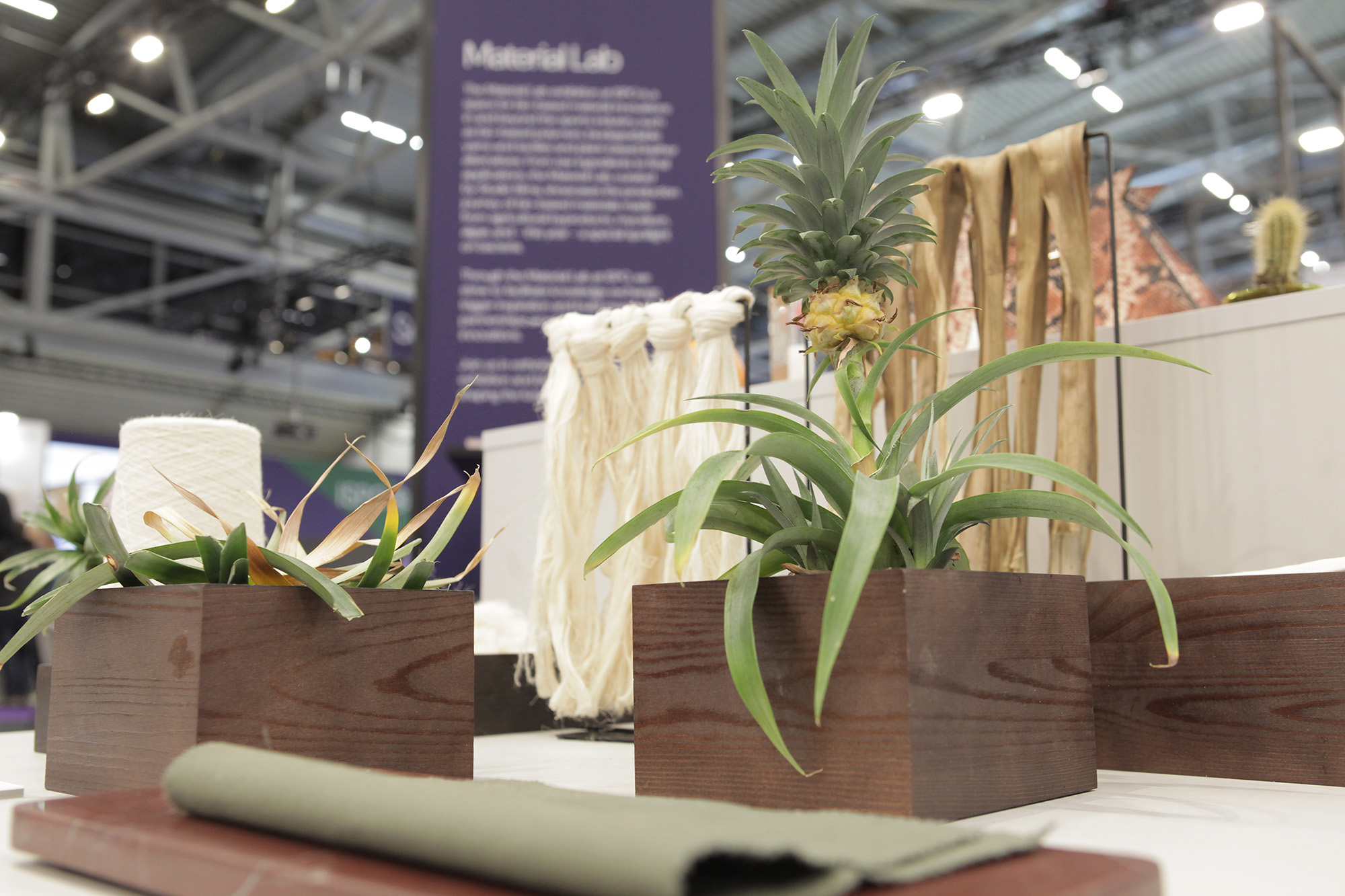
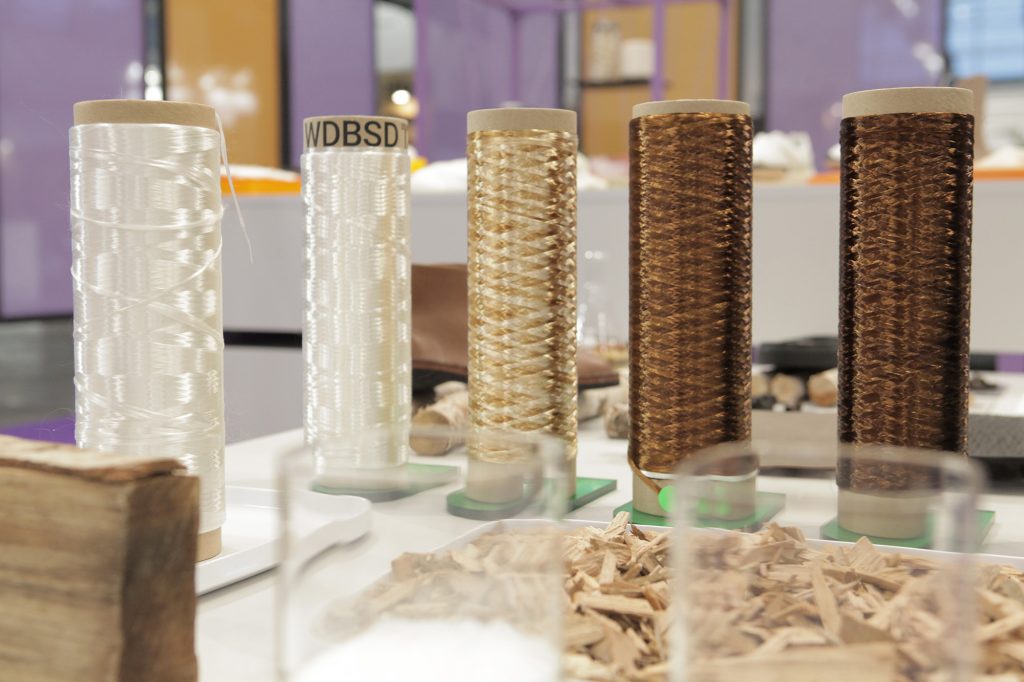
We highlighted a number of promising material innovations for the sports industry and beyond, including Balena’s thermoplastic elastomers, Ponda’s regenerative down-alternative made from typha, and fibers extracted from hardwood by Technikum Laubholz GmbH. BIOTEXFUTURE, a joint research project from adidas and RWTH Aachen University showcased two of their projects, BioPEtex and SmartBioFinish, both delivering pioneering findings with strong relevance for the sports industry. Visitors could also touch and feel the fibers extracted from pineapple leaves by RE-ROOT Tex Solution, test the textile finishes by Beyond Surface Technologies AG and take a look at the football shirt made of algae, marine waste and wood pulp by PYRATEX® and Parley for the Oceans.
This year, we also placed a special spotlight on bacteria, presenting a broad spectrum of material innovations originating from designers, research projects, startups, and established companies. We showcased Colorifix’s biological dyes, Hyosung Corporation’s bio-based spandex, and Rheom Materials’ biopolymer resin and leather alternative.
As always, it was a pleasure to highlight multidisciplinary, speculative, and artistic work. A particular highlight was presenting Laura Benetton’s bioluminescent algae pieces and her collaboration with Tintte on bacteria-based dye artworks, alongside Maca Barrera Pereira’s Melwear, an experimental bodysuit with a responsive membrane that biomimics the human skin pigmentation system.
We had many more innovations exhibited in the Material Lab, check out the full overview of exhibitors below.

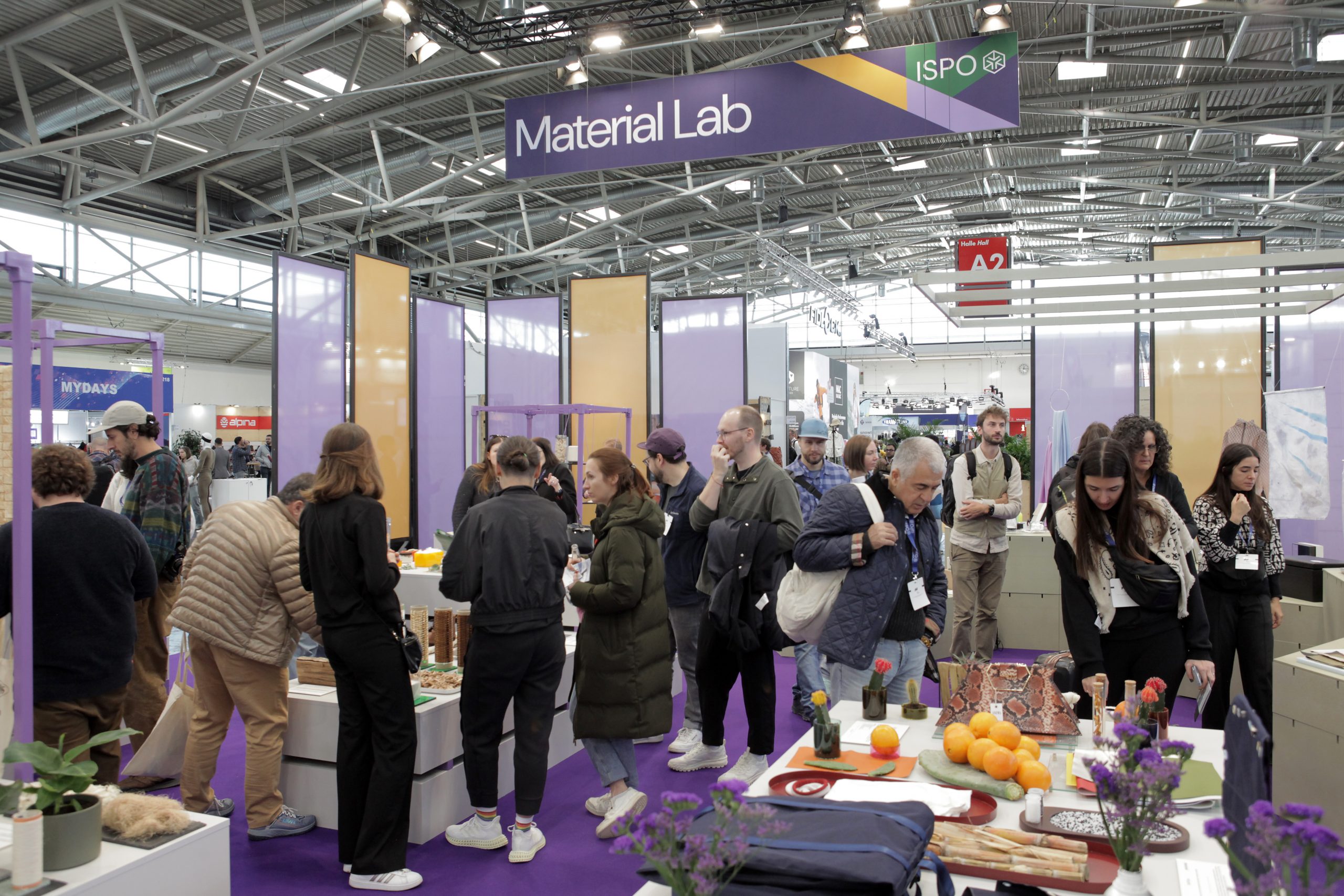






Our Material Lab Exhibitors
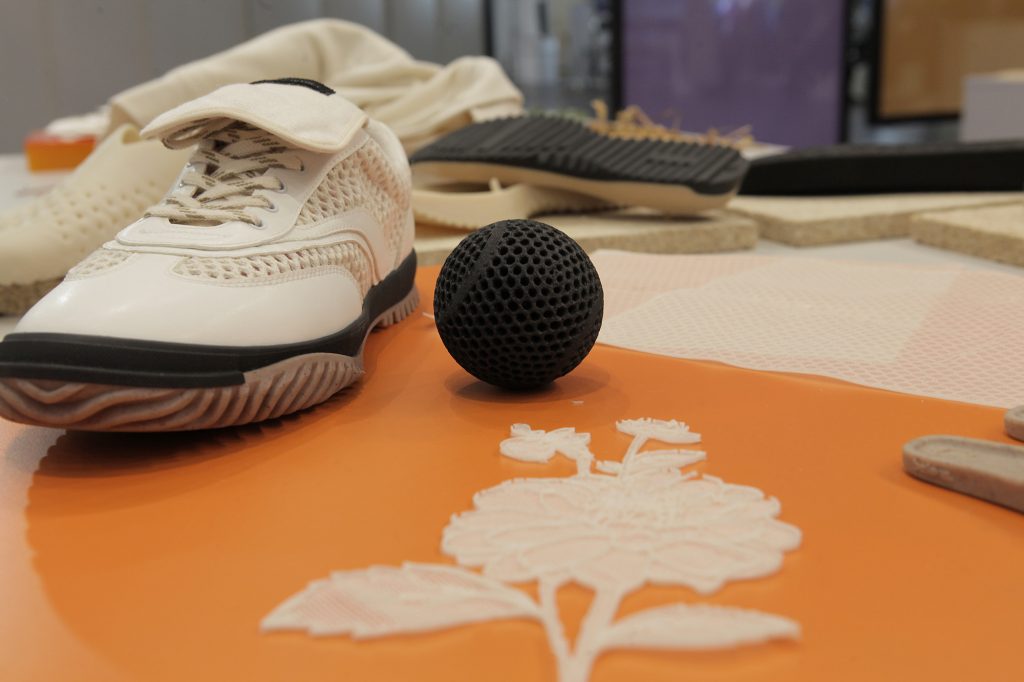
BALENA
Balena engineers bio-based, high-performance materials for industrial scale. Designed as a drop-in solution, they run on existing machines and meet global performance standards while offering safer chemistry and controlled end-of-life pathways. BioCir® is a family of advanced bio-based thermoplastic materials built on high-molecular-weight biodegradable polymers, bio-based constituents, and engineered modifiers.
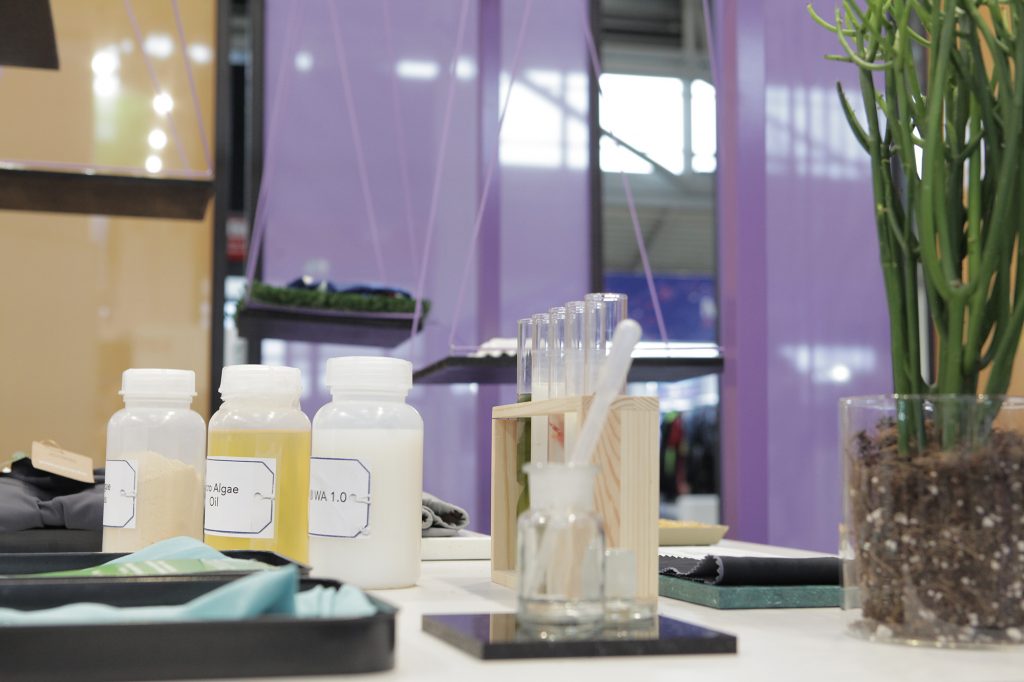
BEYOND Surface Technologies
Swiss based BST, founded in 2008, replaces petroleum-based materials used in textile surface effect chemicals. miDori® WA (With Algae) is designed to move moisture away from the skin to accelerate evaporation for better comfort. It is made from microalgae oil, a renewable raw material, and contains 100% certified biobased content with up to 80% lower carbon footprint than similar performing, synthetic wicking finishes.
Bio-Moon Lab
An art–science project by Laura Benetton, exploring light created by living organisms. The installation uses bioluminescent marine bacteria that naturally produce a soft blue glow when their community grows dense enough. This natural process, called quorum sensing, allows the bacteria to “switch on” their light without electricity.
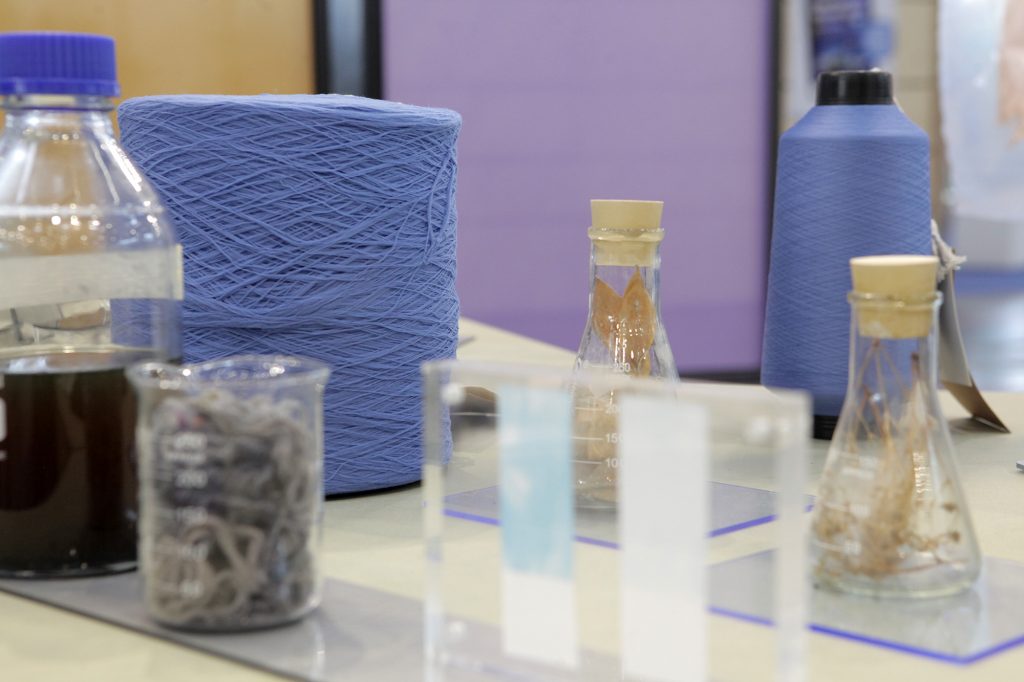
BioPEtex by BIOTEXFUTURE
BIOTEXFUTURE is an innovation space funded by the German Federal Ministry of Education and Research (Bundesministerium für Bildung und Forschung, BMBF) on biobased textile research. One of the research projects exhibited at ISPO was the BioPEtex. A project that developed apparel made from bio-based polyethylene polymers as a mono-material. These garments are spun-dyed, elastically finished, recyclable, cost-effective, energy-saving, and environmentally friendly.
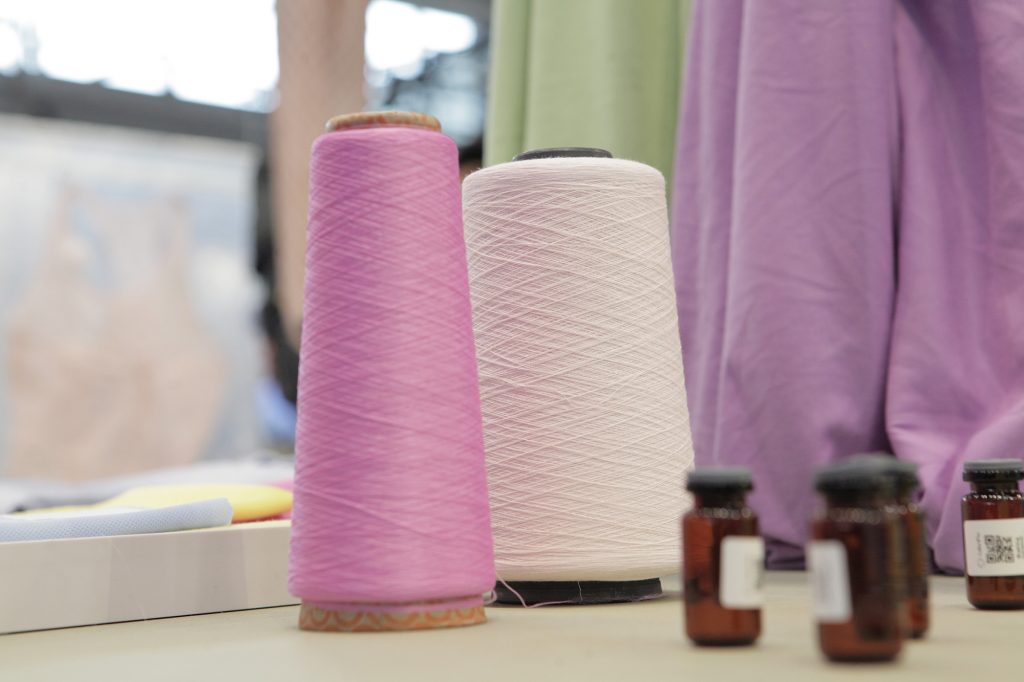
COLORIFIX
Colorifix is revolutionising textile dyeing by using biology instead of harmful chemicals. Their innovative process employs microbes to produce and fix pigments onto fabrics, reducing water and energy consumption. Colorifix uses DNA from color-producing organisms to engineer microbes that generate dyes in a fermentation process, which is then applied directly to fabrics.
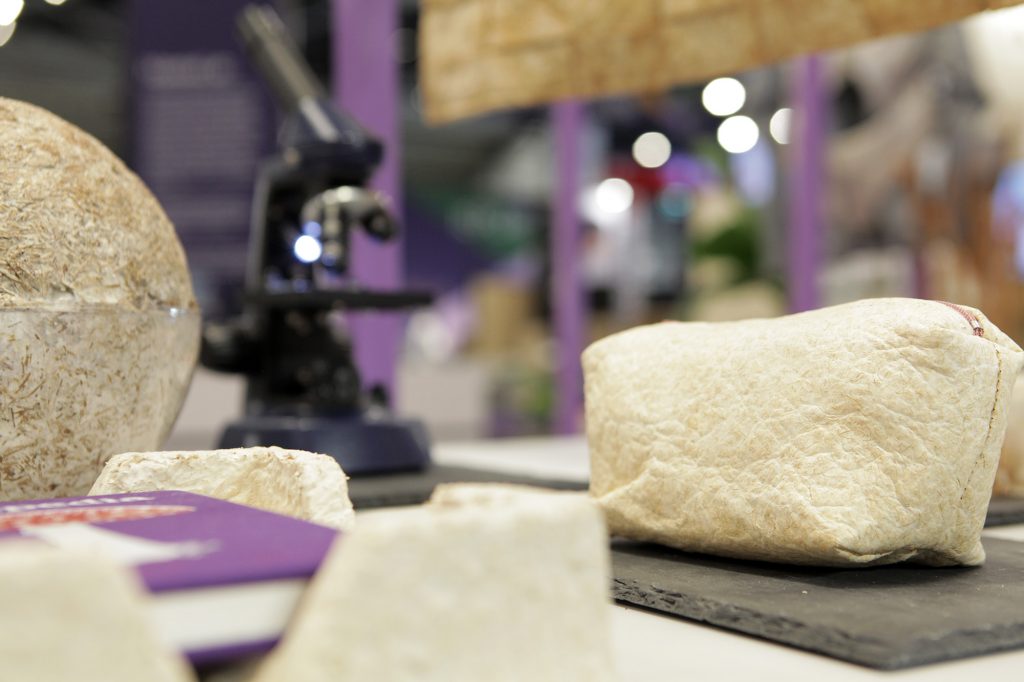
FRAXINEA
Mushroom-based textiles are thin and foam-like fabrics, offering a wide range of application opportunities. Fraxinea’s SymbioMat™ is made exclusively from mushrooms and plant fibers, a revolutionary, all-natural raw material obtained through environmentally conscious cultivation and manufacturing processes.

GROWINK
It is a studio-driven biomaterial innovation project by designer Punxh Peerasin, exploring how living systems can replace synthetic printing in textiles. GrowInk offers a biological alternative perfectly suited for these short-term products: a living ink system that creates bright, durable colour during the event but biodegrades after disposal.
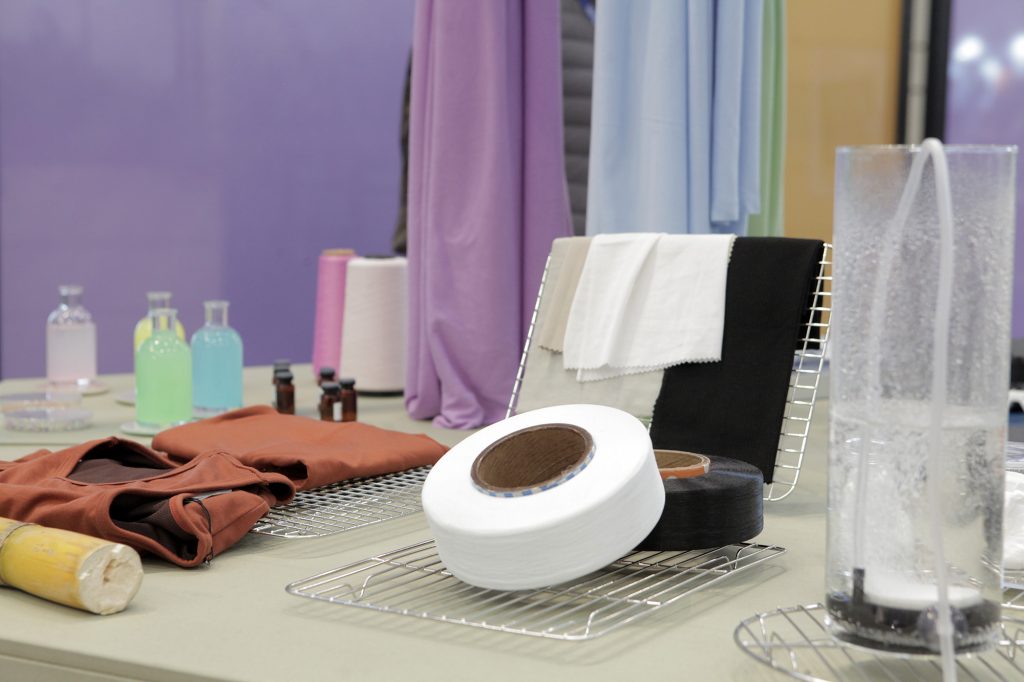
HYOSUNG
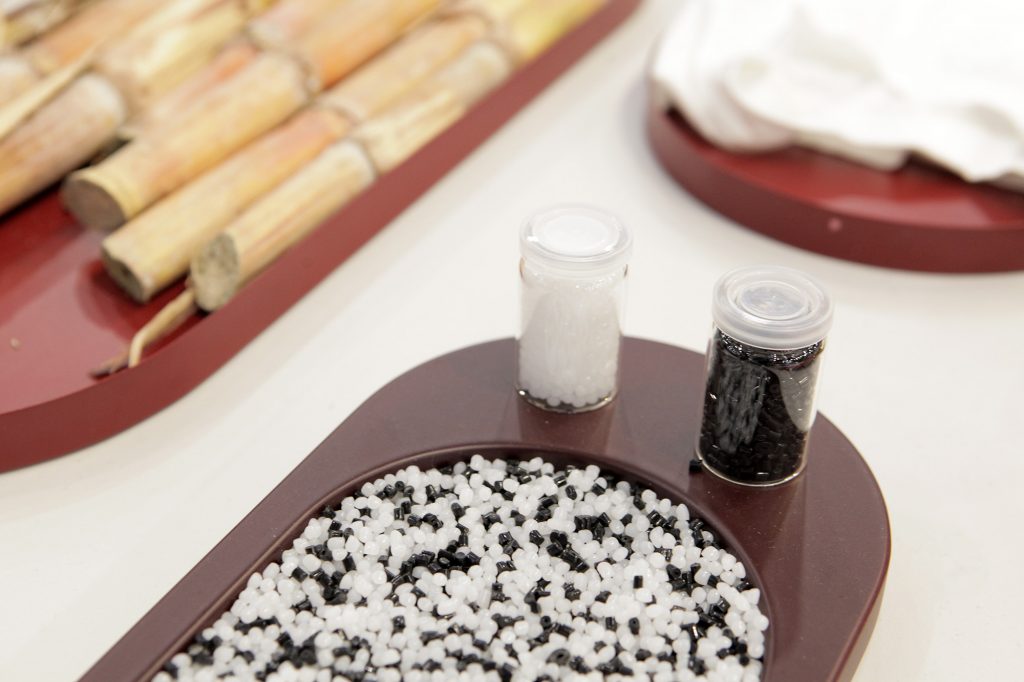
Hyosung is a leading global fibre manufacturer, uniquely producing world-class products across Elastane, Nylon and Polyester. Geno’s process ferments sugars from sugarcane simply and effectively: sugarcane > sucrose > fermentation > Bio-BDO. The switch to sugarcane-based Bio-BDO reduces energy use, CO2 emissions, and enhances overall efficiency, aligning with Hyosung’s commitment to sustainable innovation.
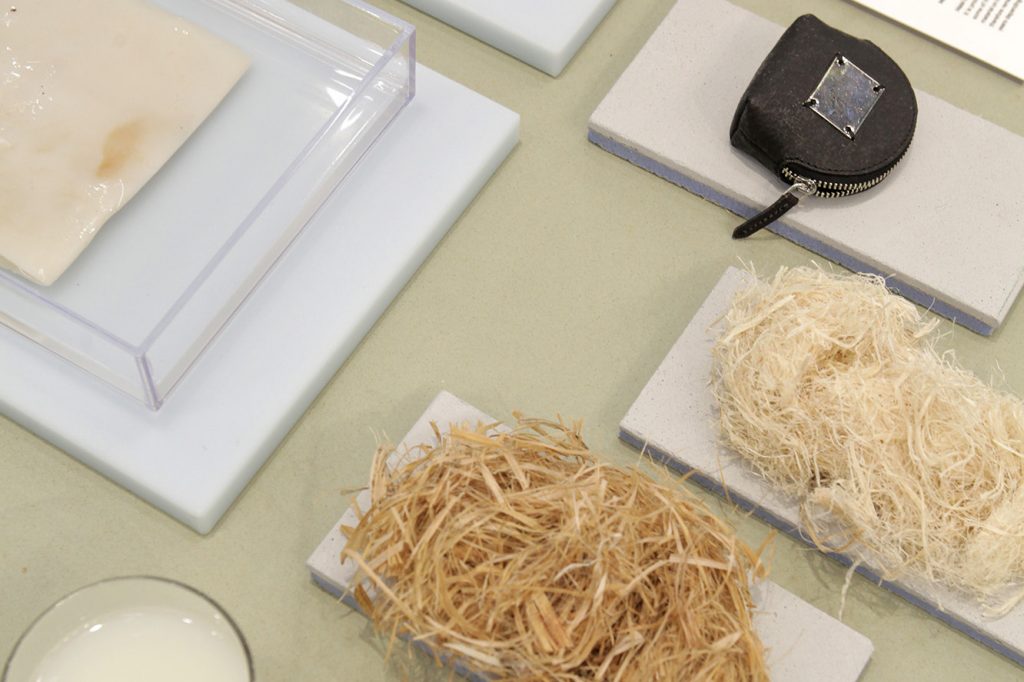
MALAI ECO
Malai Biomaterials Design is a Slovak-Indian start up specializing in design, development and manufacturing of biocomposite materials based on bacterial cellulose fermented on waste from coconut processing industry.
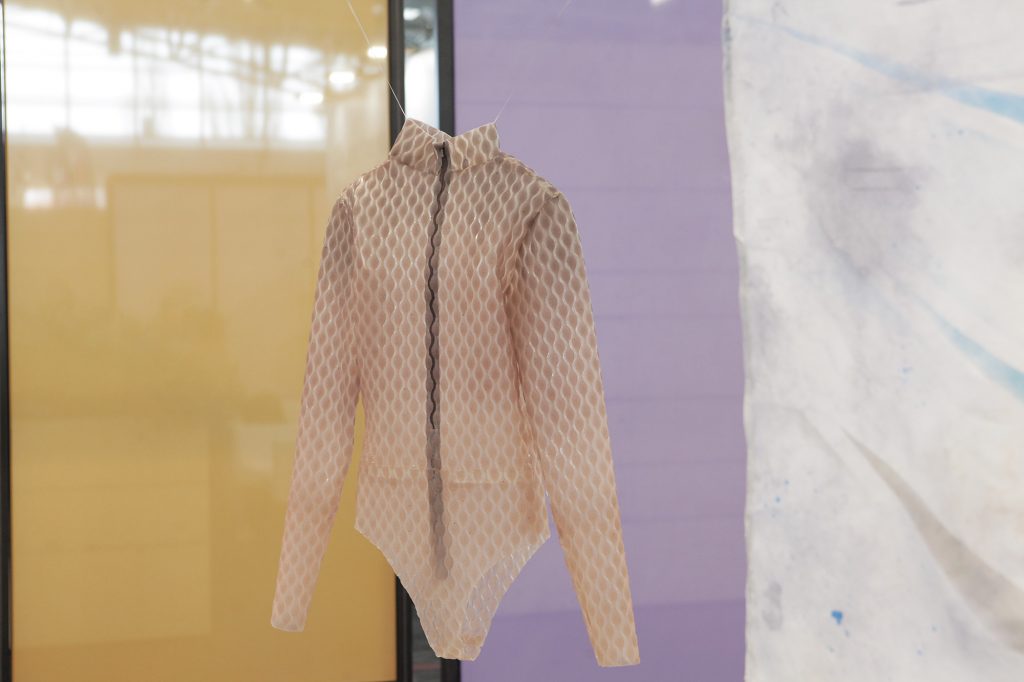
MELWEAR
Melwear harnesses the potential of microbes to shield our bodies from harmful UV rays. By working in collaboration with bacteria as living biofactories, this project explores the bioproduction of melanin, a natural, biodegradable pigment with UV-absorbing and antioxidant properties found across a wide range of organisms. The material technology involves a responsive membrane that biomimics the human skin pigmentation system, darkening under exposure and working as a biosensor that adapts to changing environmental conditions.
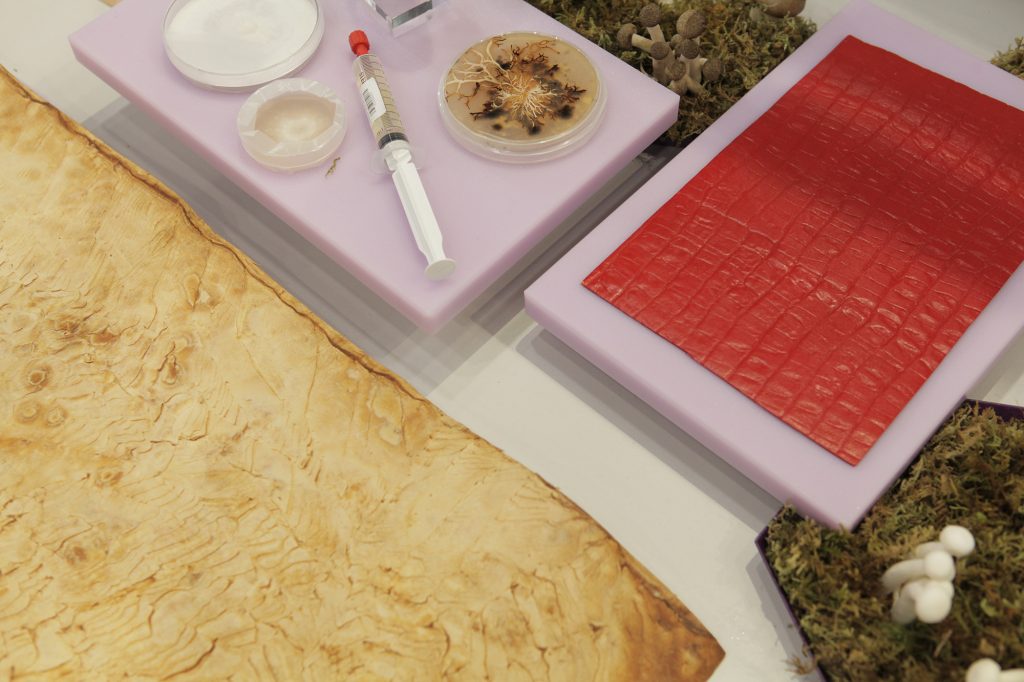
MYTHINGS
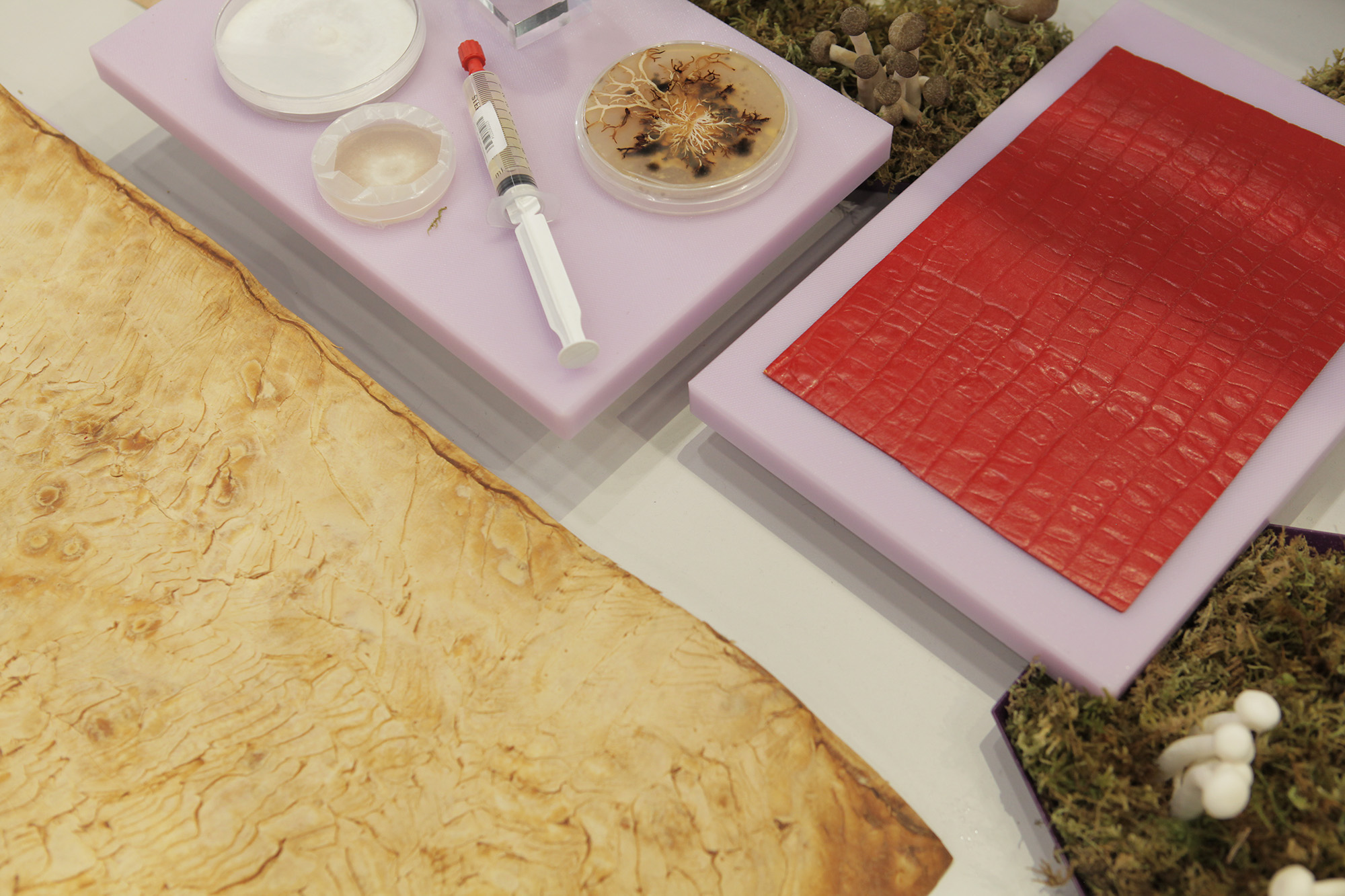
MY-THINGS is a biotech startup that offers mycelium-based sustainable materials for brands and manufacturers, enabling them to access eco-friendly materials at reasonable prices and reduce their carbon footprint significantly. MYTHINGS’s mycelium-based vegan leather is a sustainable, high-quality alternative to traditional leather.
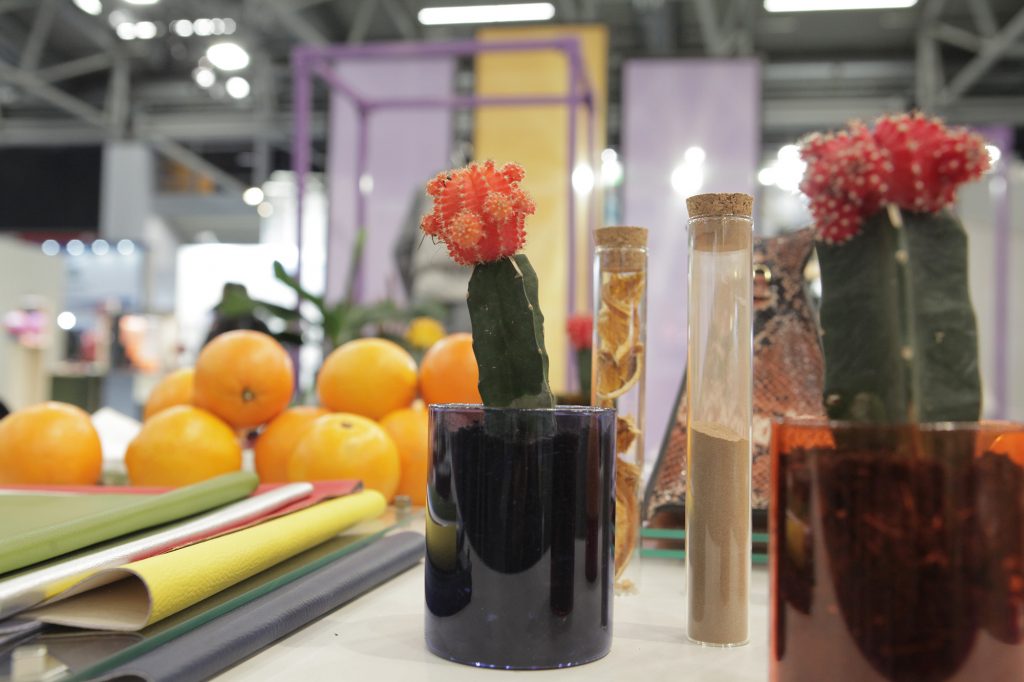
OHOSKIN
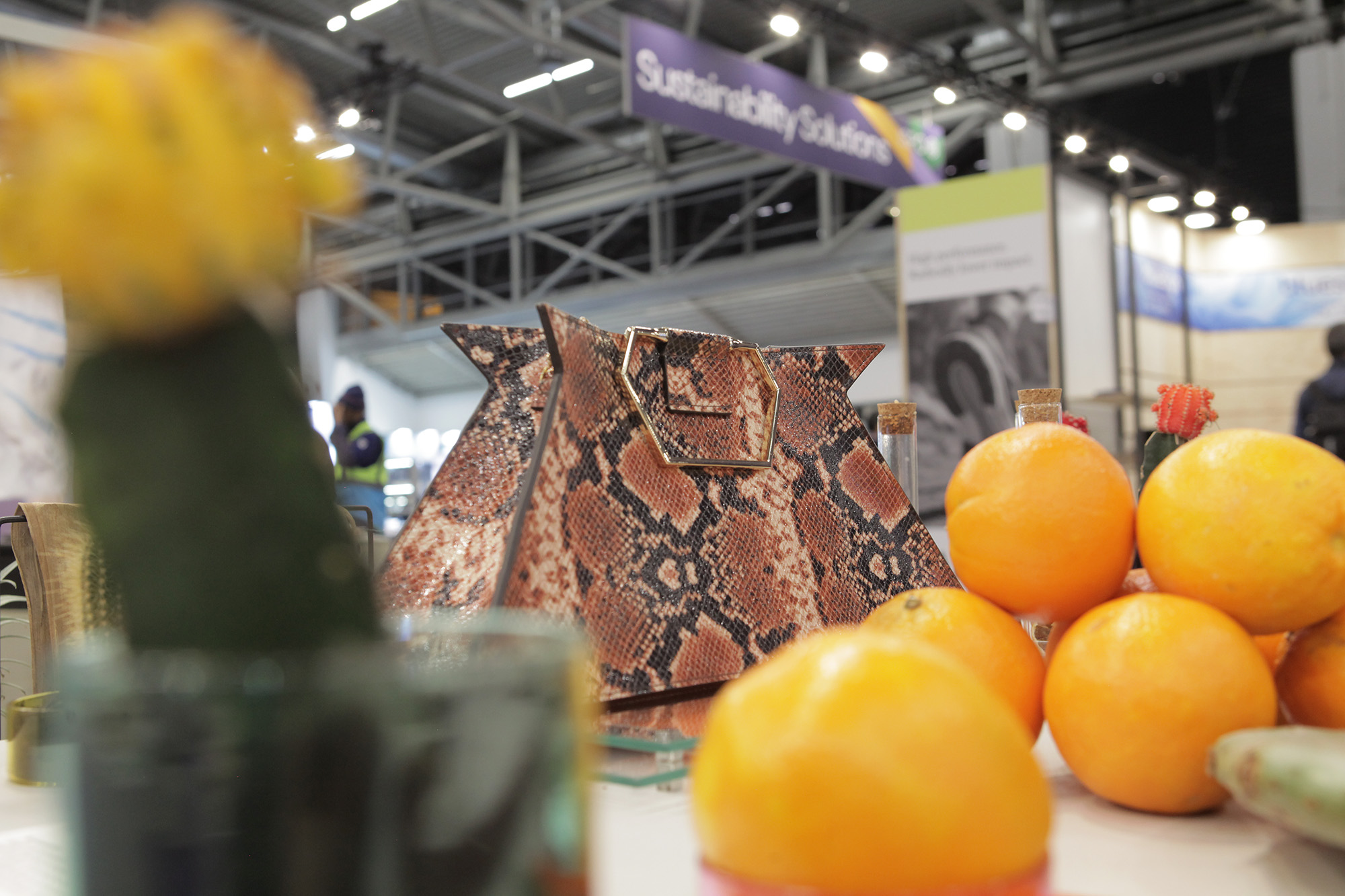
Ohoskin uses byproducts from the processing of oranges and cacti from the agri-food and cosmetic industries. Plant fibers are blended with biopolymers (bio-attributed PVC) and natural resins to create a sustainable compound.
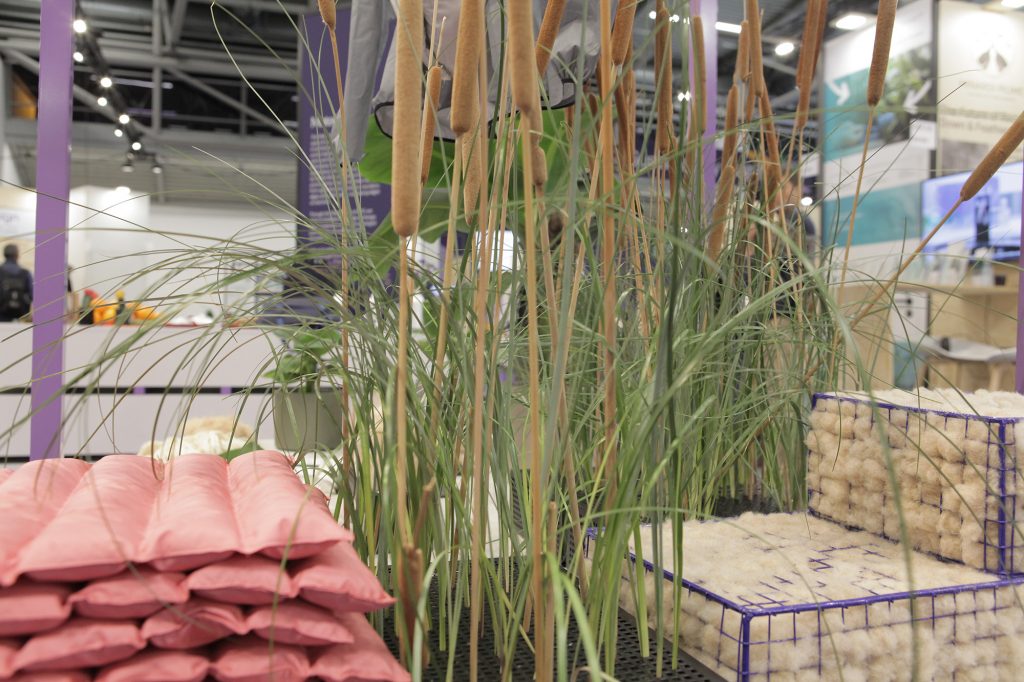
PONDA
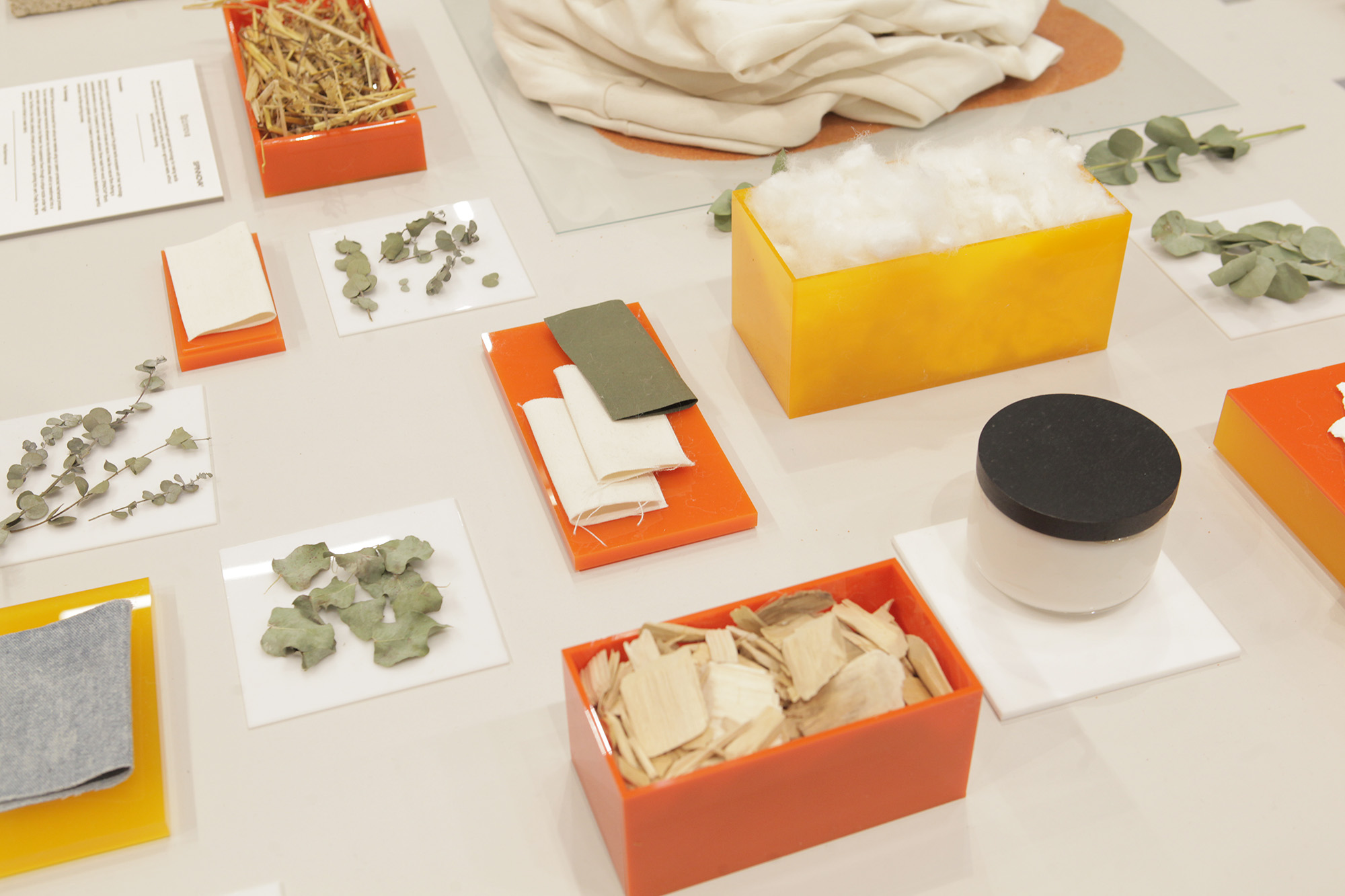
Ponda is a biomaterials company developing BioPuff®, an insulation designed to keep you warm whilst regenerating damaged wetlands. This alternative to goose-down is created by extracting fibres from plants that aid in wetland regeneration. BioPuff® is lightweight, warm, and naturally water repellent – it’s also cruelty-free and traceable all the way from plant to puffer.
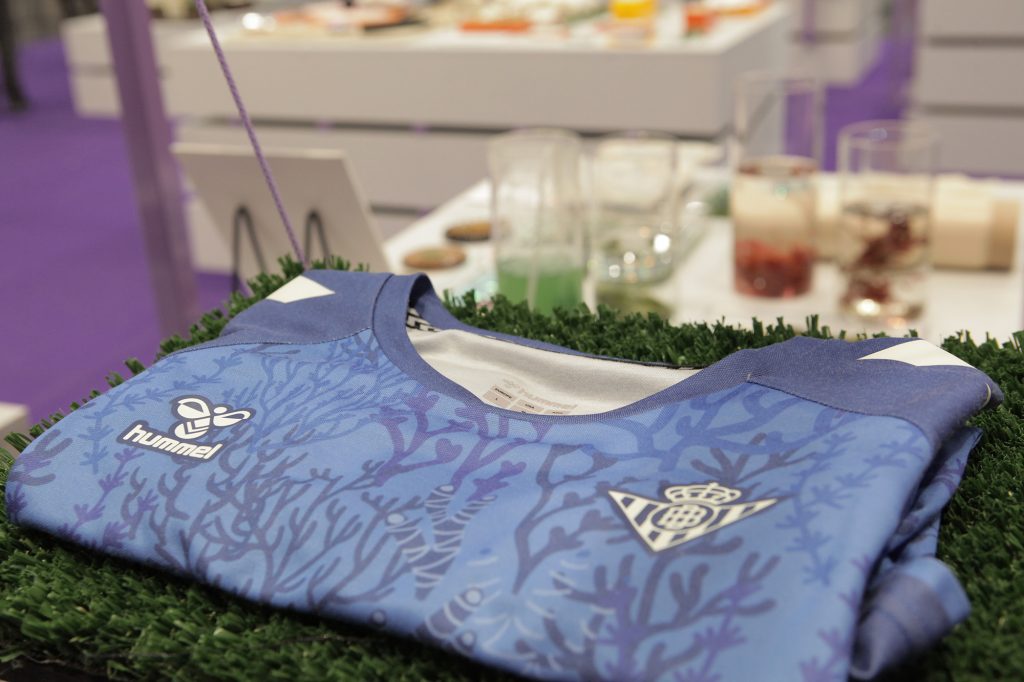
PYRATEX® seacell x parley
Replacing the traditional synthetic fibers in football kits, PYRATEX® and Parley for the Oceans partnered to create a functional fabric that combines PET from ocean-derived plastic waste with Tencel and SEACELL®, a seaweed-enriched fiber.
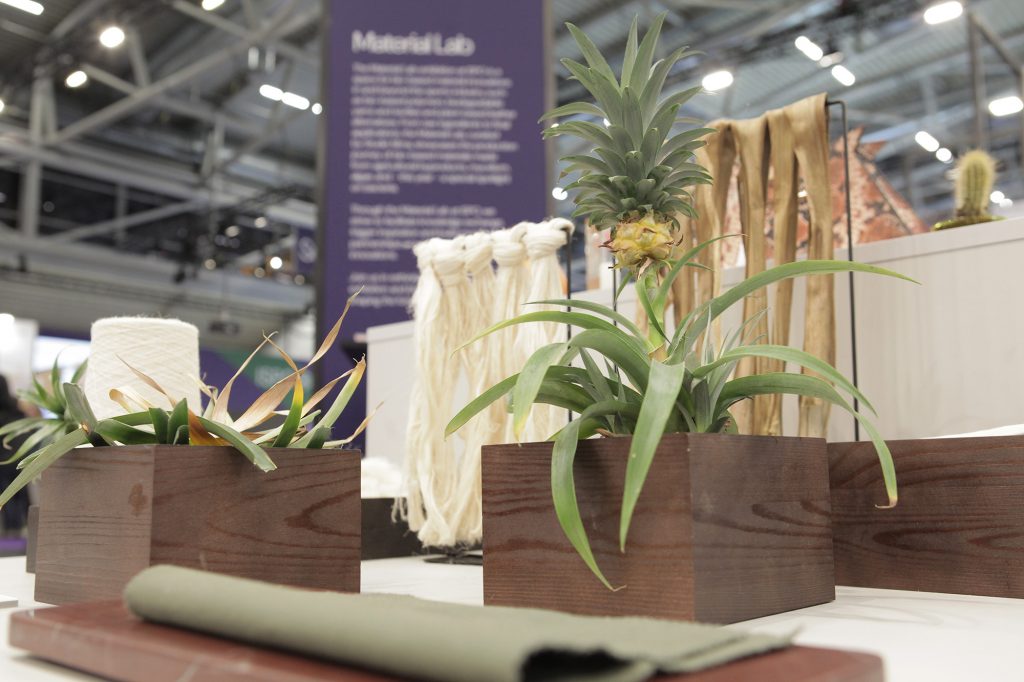
RE-ROOT TEX
Re-Root-Tex has pioneered the development of next-generation materials derived from previously discarded pineapple leaves. By transforming agricultural waste into valuable resources, Re-Root-Tex closes the loop in farming to achieve a zero-waste system, seamlessly connecting agriculture with the fashion industry. The innovative, chemical-free, biodegradable, and recyclable textiles are well-suited for sustainable fashion applications.
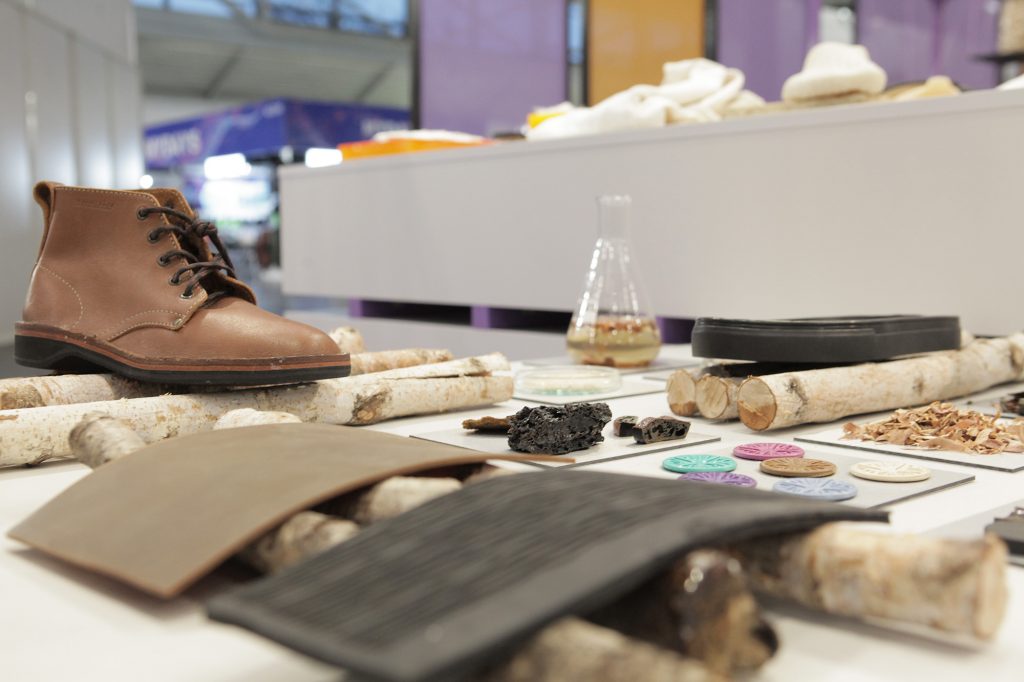
RESELO
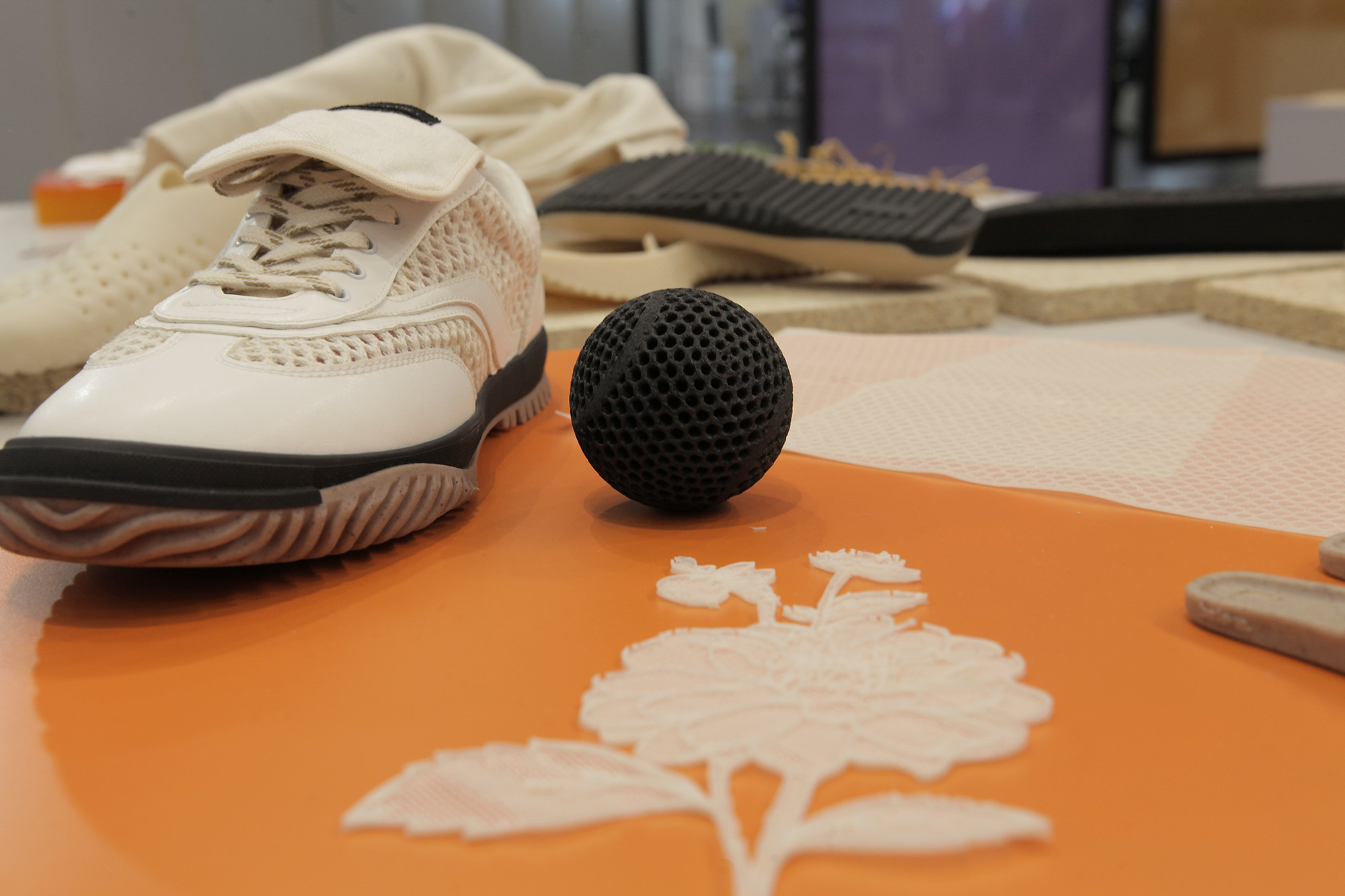
Reselo has developed a patented technology to produce Reselo Rubber, a 100 % biobased elastomer made entirely from birch bark – a waste stream of the forest industry. Reselo Rubber has the potential to replace fossil-derived rubbers in various applications, such as footwear, fashion, automotive and tires.
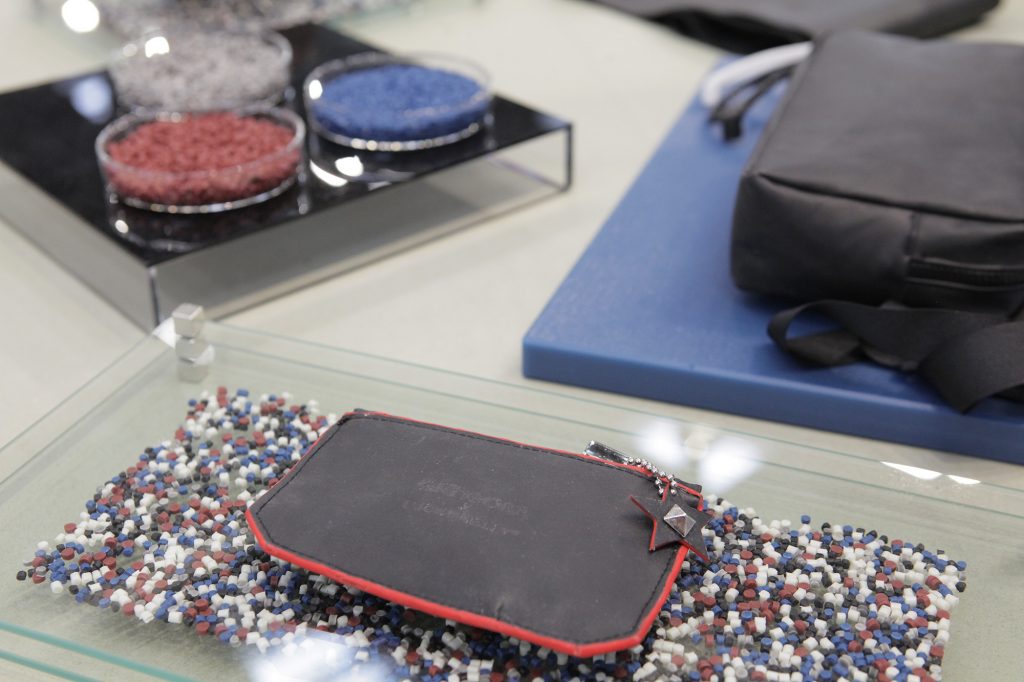
RHEOM
Materials derived from bacterial fermentation, minerals, and plant-based matter, Rheom creates innovative materials that seamlessly replace fossil fuel plastics. Shorai™, a 92% biobased leather alternative, is perfect for outdoor bags, footwear uppers, and gloves. Benree™, a 100% biobased resin, plugs into injection molding, matching petrochemical plastic performance with low carbon impact, ideal for sustainable replacements for sunglasses and fashion trims.
SmartBioFinish by BIOTEXFUTURE
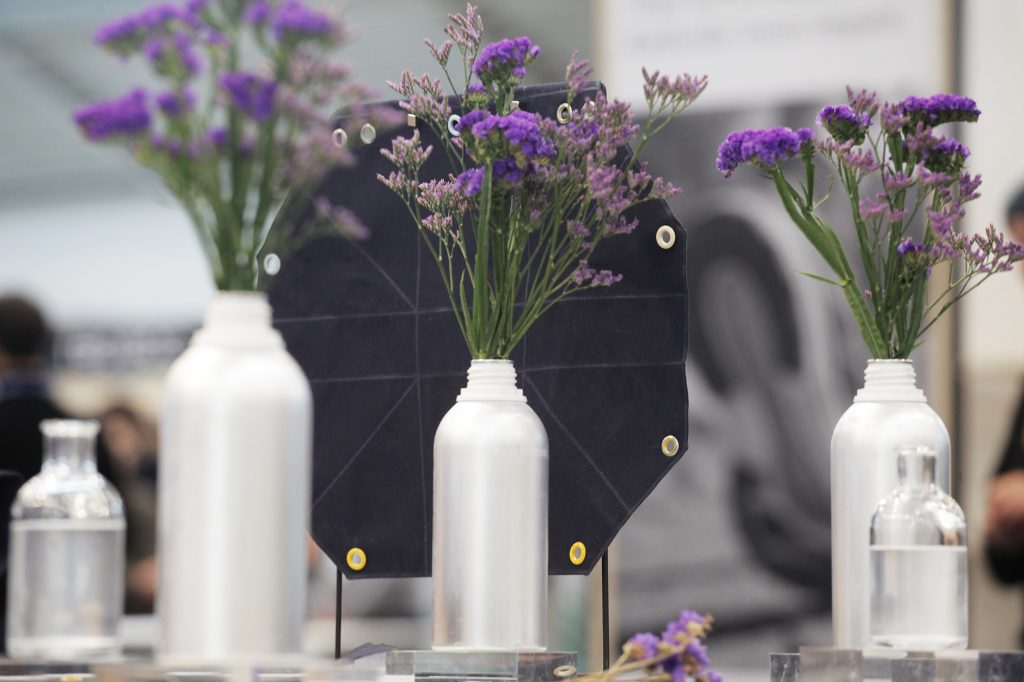
The aim of the SmartBioFinish project is to substitute environmentally hazardous PFAS in textile applications by developing 100% bio-based water and oil repellent finishes based on anchor peptides. These short molecules bind to various natural and synthetic surfaces and are able to act as biodegradable adhesion promoters. Within the project, the functionality of the new water/oil-repellent finishes will be validated and demonstrated by applying them to sports textiles and personal protective equipment.
SPIBER
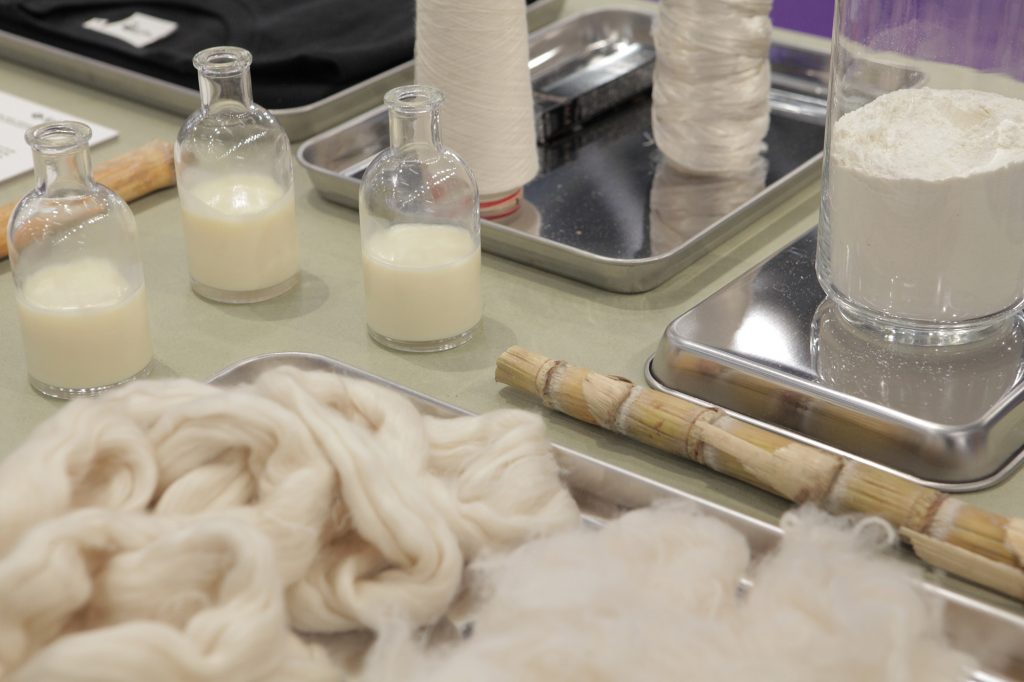
Established in 2007, Spiber is a biotech venture company based in Yamagata, Japan, Spiber’s innovation is a premium, plant-based material produced using Spiber’s fermentation (brewing) technology. Brewed Protein™ fibers can be tailored to offer a silk-like sheen and delicacy, a luxurious, smooth feel akin to cashmere, or the loftiness of high-quality wool.
SPINNOVA
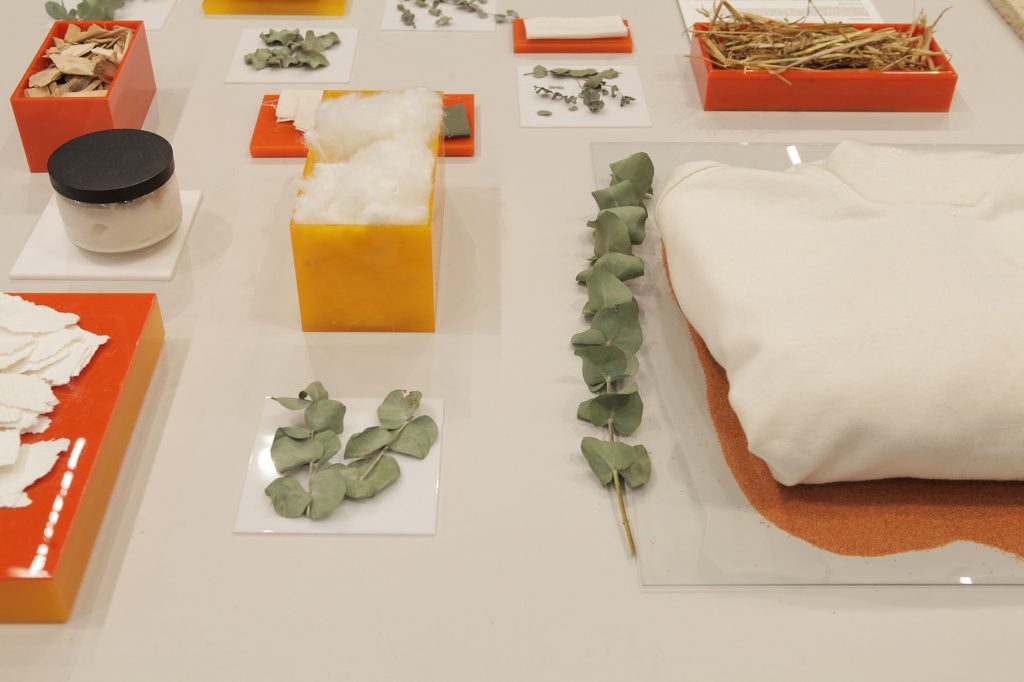
Spinnova transforms the way textiles are manufactured globally. Based in Finland, Spinnova has developed a breakthrough patented technology for making textile fibre mechanically from wood pulp or waste, such as leather, textile or agricultural waste, without harmful chemicals.
ST3MS
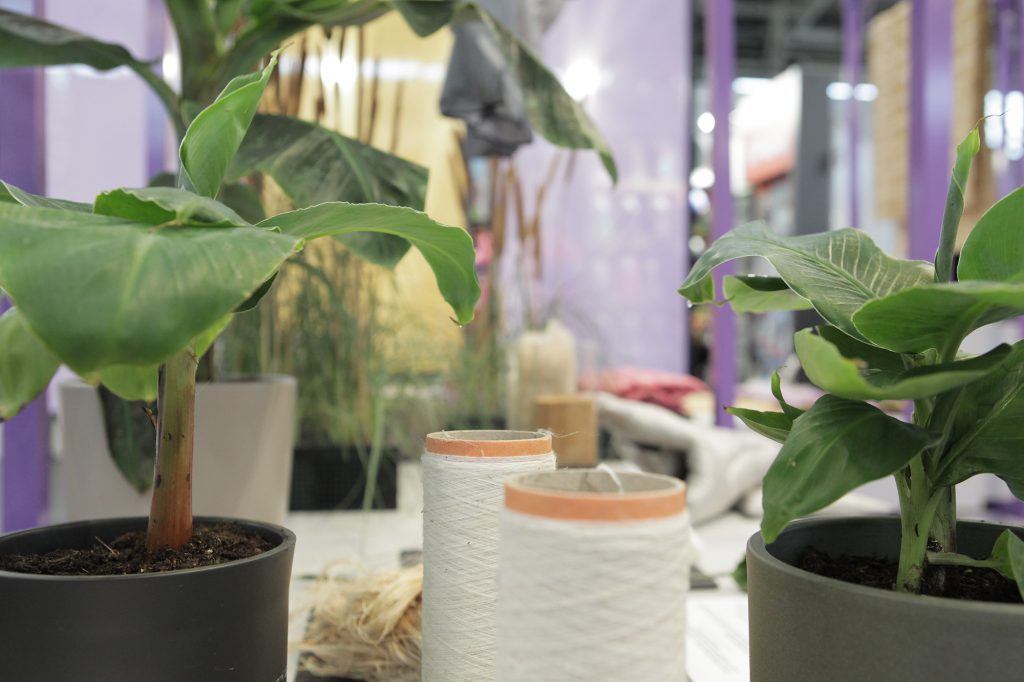
St3ms™ transforms underutilized banana plant waste into high-performance fibers, optimizing waste while producing clean drinking water as a byproduct. Naturally strong and lightweight, antimicrobial and fire resistant without the use of any chemicals. It can be tuned for a variety of non-woven and composite applications such as automotive, equipment, construction, and home goods.

SWAY
Sway, a California-based material innovation company, is harnessing the power of seaweed to make compostable replacements for plastic. TPSea™, Sway’s core technology, is a certified 100% biobased, thermoplastic pellet made entirely from seaweed and plants.
TAL DANINO
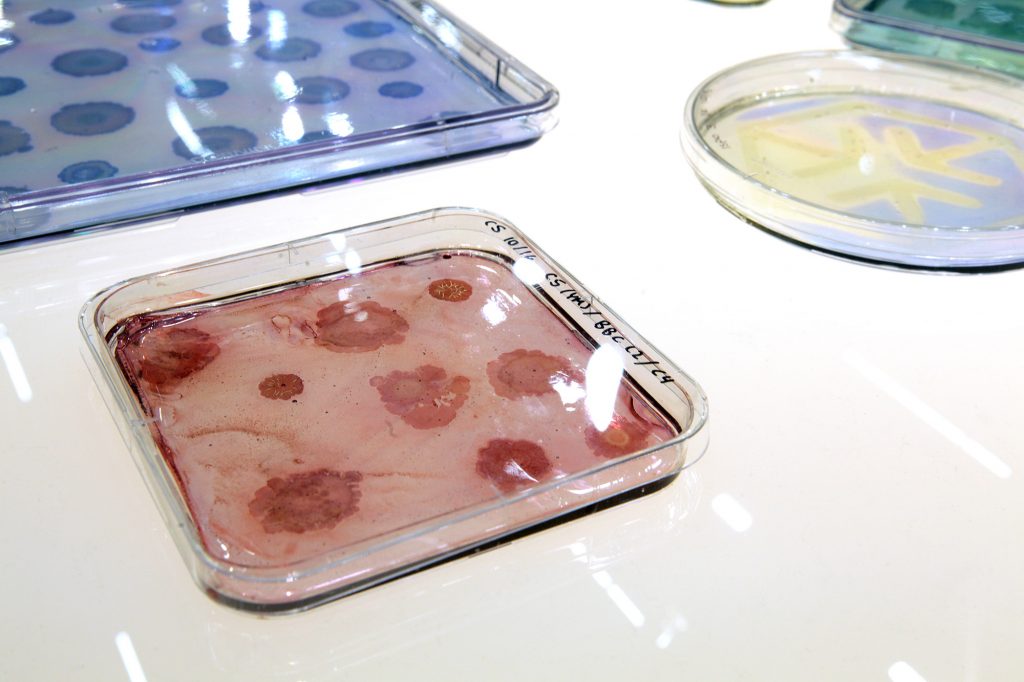
Tal Danino is an interdisciplinary artist and scientist working at the frontier of synthetic biology. He engineers some of the smallest living systems “programmable” bacteria, and transforms microorganisms such as bacteria and cancer cells into bio artworks using a wide range of media. For ISPO, Bacteria were collected from swimming pools, tennis and basketball courts, baseball stadiums, and gyms across New York City, then cultivated on nutrient-rich agar to reveal their natural growth patterns. Some colonies spread and compete for space while others merge and cooperate — much like the teamwork and rivalry found in sports.
TECHNIKUM Laubholz
Technikum Laubholz develops innovative technologies from hardwood – bridging research and industry to drive the transition towards sustainable materials and regional value creation. Developing wood-derived fiber technologies that combine ecological responsibility with industrial scalability. These processes enable new possibilities for sustainable textile, mobility, and performance applications.
VALUPA
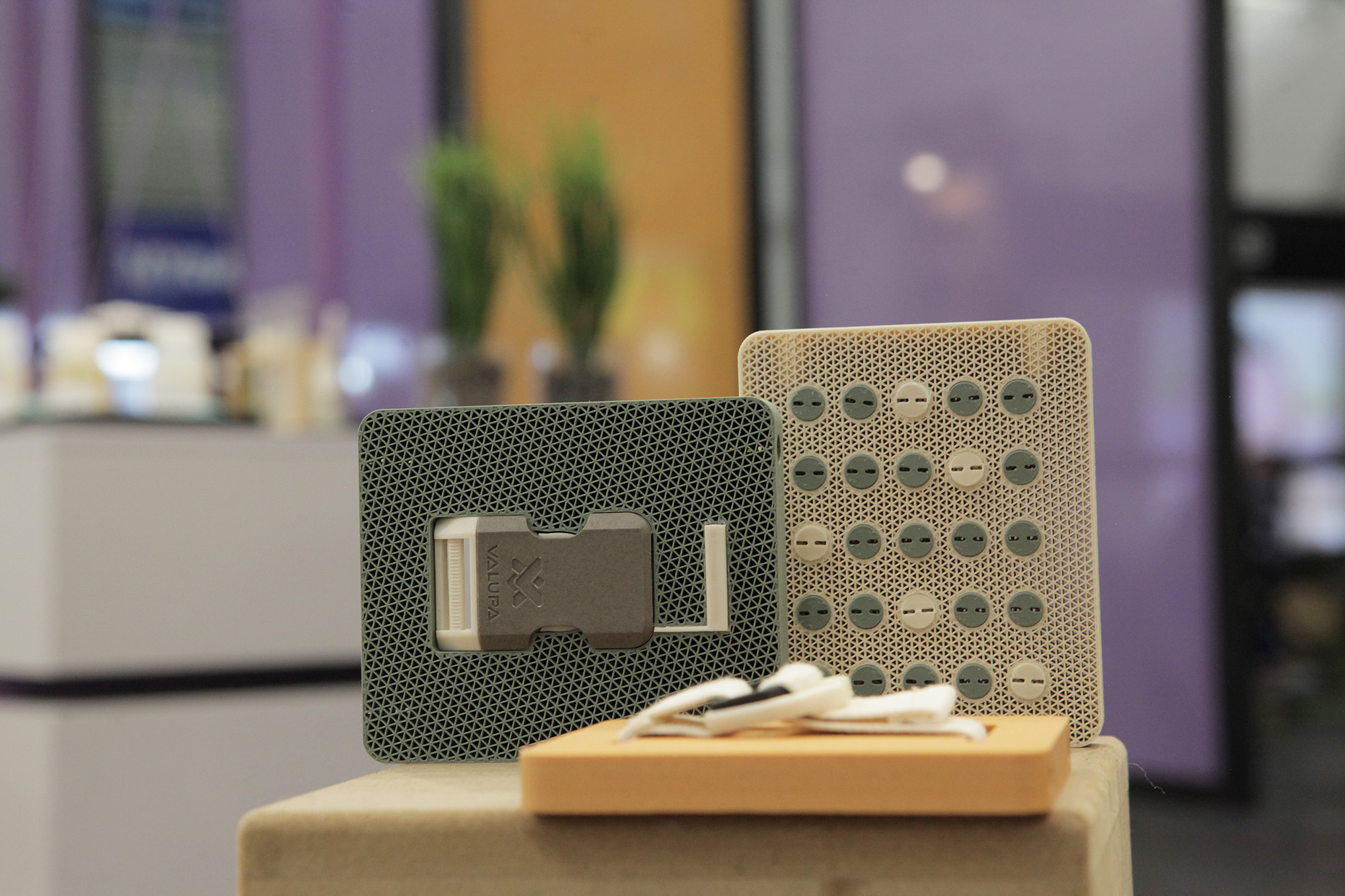
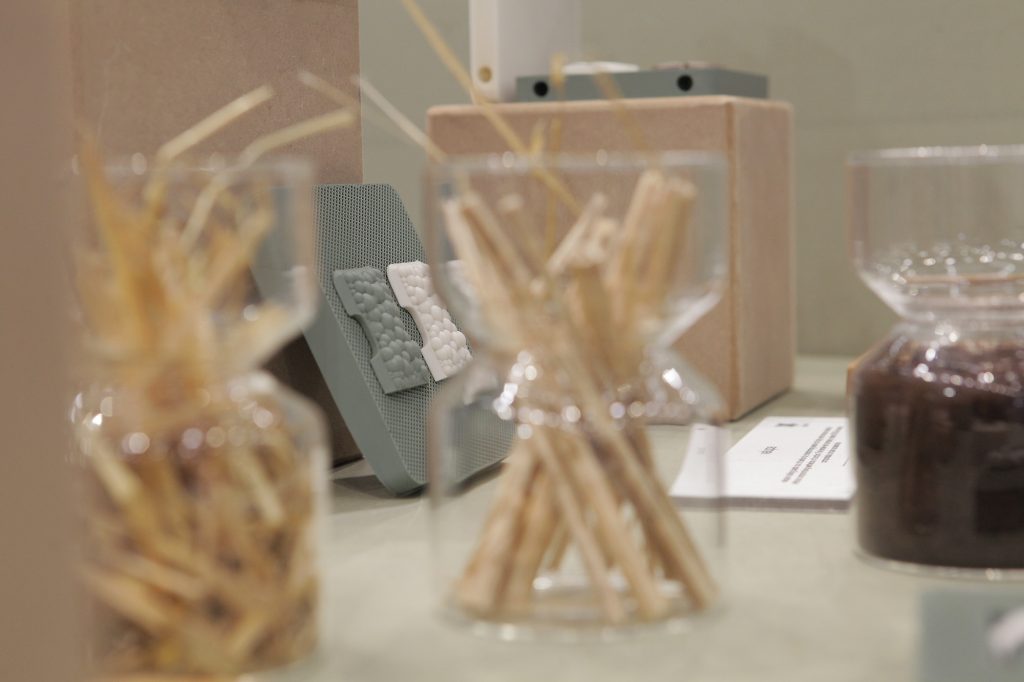
valupa transforms biogenic residues from the various industries into high-value, next-generation materials. The proprietary material enhances performance on several levels, e.g.: transparency of composition, improved properties and industrial adaptability. valupa designs and manufactures 100% bio-based, compostable, and circular accessories — including buckles, rings, rivets, lingerie components, and more.